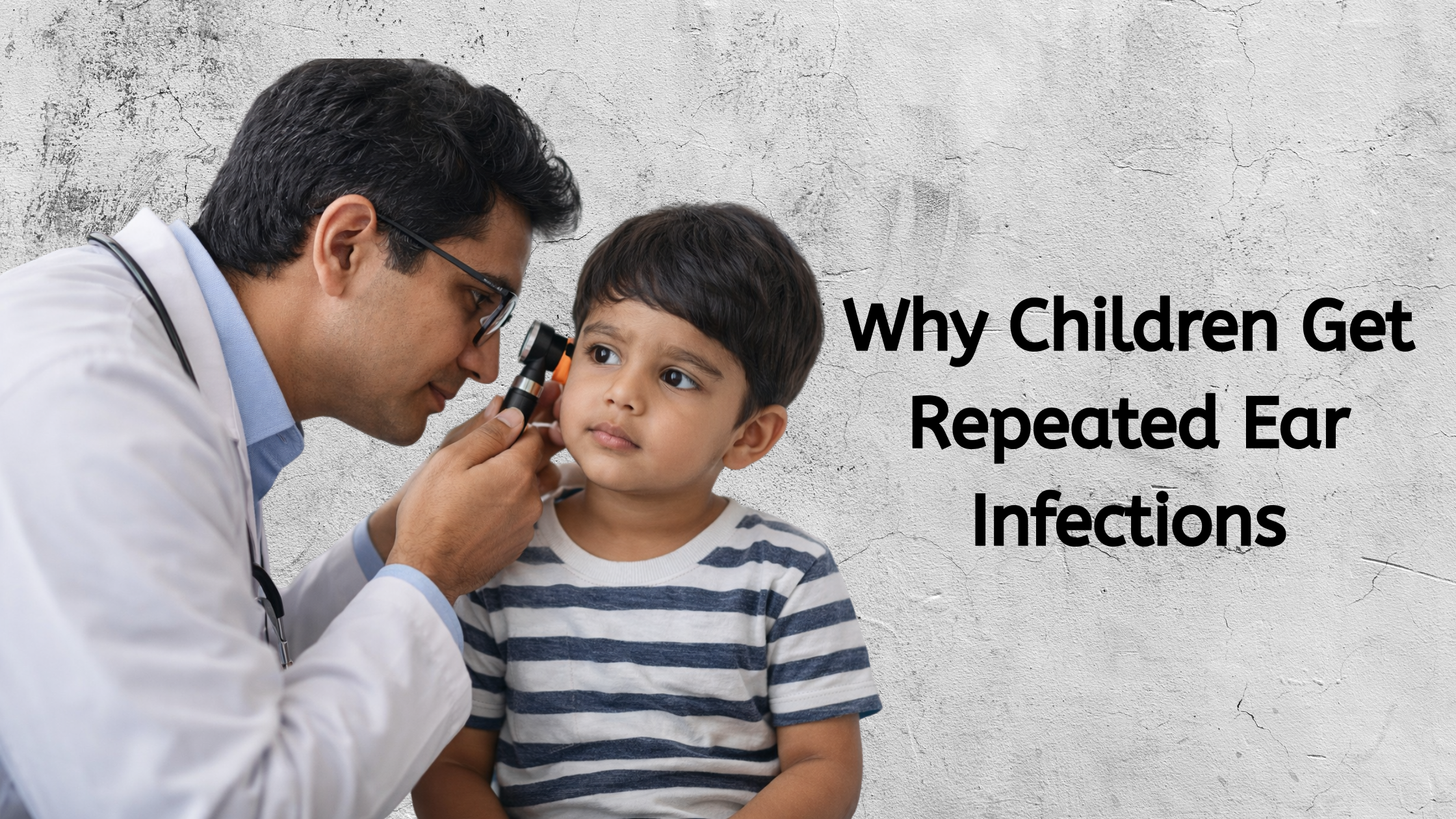
Understanding Repeated Ear Infections in Children
Repeated ear infections in children are a common worry for parents—especially in the early years. Many kids experience one or two episodes as their immune systems develop, but when infections keep coming back, it raises concerns about hearing, speech, and overall comfort.
Ear infections are more frequent in young children due to their anatomy and exposure to seasonal illnesses. When episodes become frequent or persistent, early diagnosis and the right treatment plan make a real difference in preventing long-term issues.
What Is an Ear Infection?
Types of Ear Infections in Children
- Outer ear infection (otitis externa): Affects the ear canal, often related to moisture or irritation.
- Middle ear infection in children (otitis media): The most common type, occurring behind the eardrum.
- Inner ear infections: Rare in children but can affect balance and hearing.
Why Children Are More Prone to Ear Infections
Children’s ears are structured differently from adults. Their Eustachian tubes are shorter and more horizontal, which makes fluid drainage difficult. Add to this an immature immune system, and it becomes easier for germs to cause infection.
What Does “Repeated” or “Chronic” Ear Infection Mean?
Chronic ear infections in kids usually mean multiple episodes within a short period—for example, three or more infections in six months, or four or more in a year. This is different from an occasional infection that clears completely and doesn’t return for a long time.
Common Causes of Repeated Ear Infections in Children
Eustachian Tube Dysfunction
When fluid doesn’t drain properly from the middle ear, it creates a perfect environment for bacteria to grow. This trapped fluid is a major reason infections keep recurring.
Frequent Cold, Cough, and Upper Respiratory Infections
Infections of the nose and throat can easily spread to the ears, especially during flu or cold seasons.
Enlarged Adenoids
Adenoids sit near the opening of the Eustachian tubes. When enlarged, they can block drainage and are closely linked with otitis media in children.
Allergies and Nasal Congestion
Allergic inflammation can increase pressure and fluid buildup in the ears, making infections more likely.
Exposure to Smoke and Polluted Environments
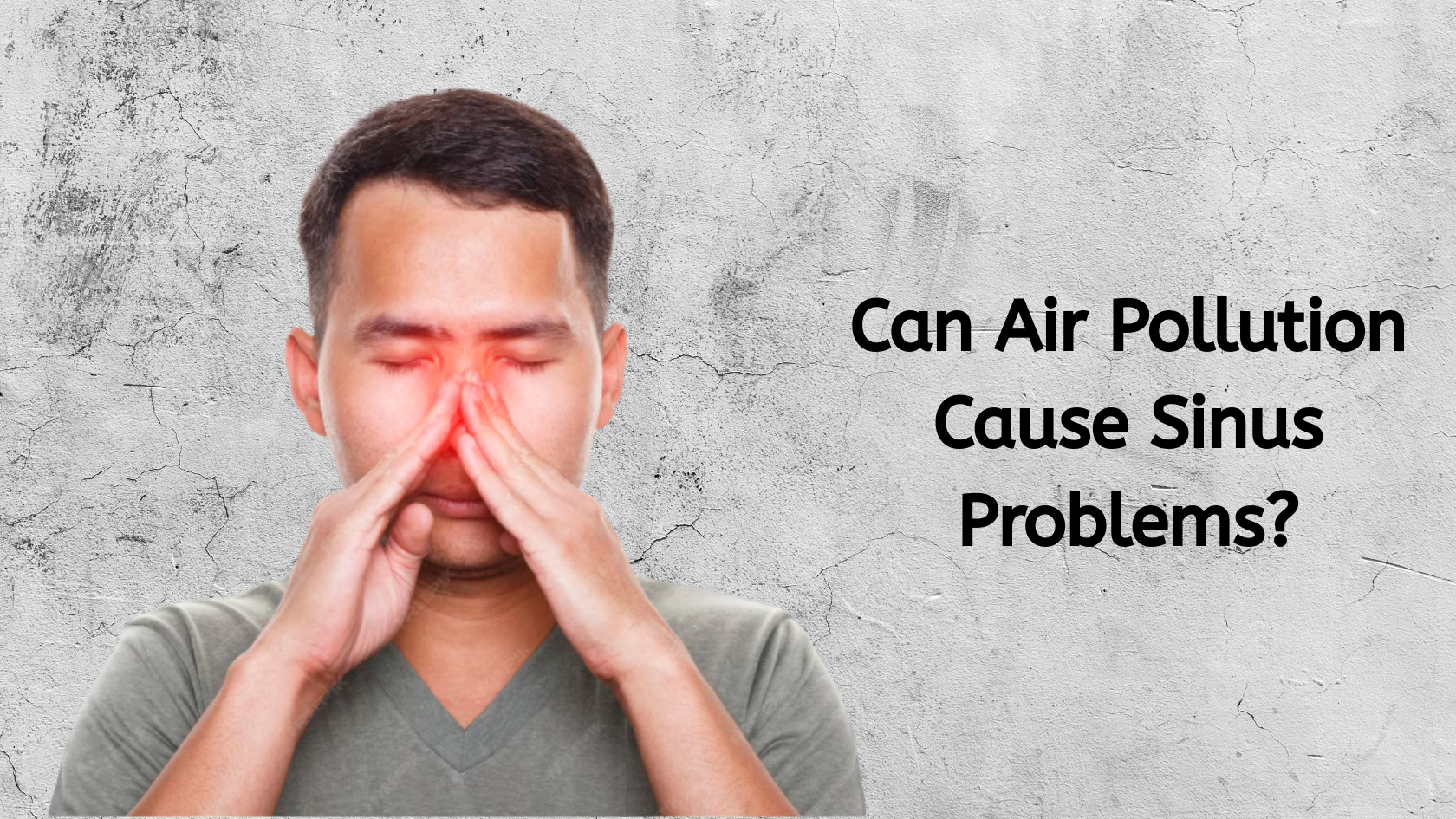
Passive smoking and air pollution irritate the airways and increase the risk of repeated ear infections.
Risk Factors That Increase Ear Infections in Children
- Bottle feeding while lying flat
- Early exposure to daycare environments
- Family history of frequent ear infections
- Low immunity or frequent illnesses
Signs and Symptoms of Repeated Ear Infections in Children
Parents should watch for:
- Ear pain or frequent ear pulling
- Fever and unusual irritability
- Difficulty hearing or delayed speech development
- Fluid or discharge from the ear
- Disturbed sleep or poor appetite
How Repeated Ear Infections Can Affect a Child’s Health
If not managed well, repeated infections can lead to temporary or permanent hearing loss. This may affect speech, language development, and even school performance. Sleep disruption and behavior changes are also common in children dealing with ongoing discomfort.
Diagnosis of Chronic Ear Infections in Kids
Diagnosis usually starts with a physical ear examination. Tests like tympanometry or hearing assessments may be used to check fluid buildup and hearing ability. In complex cases, specialist evaluation helps rule out structural or underlying issues.
Treatment Options for Repeated Ear Infections in Children
Medical Treatment
Treatment may include antibiotics, pain relief, and sometimes a “watchful waiting” approach when infections are mild and expected to resolve on their own.
Surgical Treatment (If Required)
For children with frequent or persistent infections, doctors may recommend ear tubes (grommets) to help drain fluid. Adenoid removal may be advised if enlarged adenoids are contributing to the problem.
Prevention of Repeated Ear Infections in Children
- Strengthening immunity through nutrition and sleep
- Avoiding bottle feeding in a lying-down position
- Managing allergies and nasal congestion early
- Keeping children away from smoke exposure
- Scheduling regular pediatric and ENT check-ups
When Should Parents See a Doctor?
Parents should seek medical advice if infections occur frequently, symptoms don’t improve, or hearing and speech concerns arise. Early ENT consultation helps prevent complications and supports healthy development.
Frequently Asked Questions About Ear Infections in Children
Why does my child keep getting ear infections?
Usually due to anatomy, frequent colds, allergies, or blocked ear drainage.
Are repeated ear infections dangerous?
They can be if left untreated, especially due to hearing and speech risks.
Can ear infections affect hearing permanently?
Yes, in some cases—early treatment reduces this risk.
How can ear infections be prevented naturally?
Good hygiene, proper feeding practices, and avoiding smoke exposure help.
Managing Repeated Ear Infections in Children Effectively
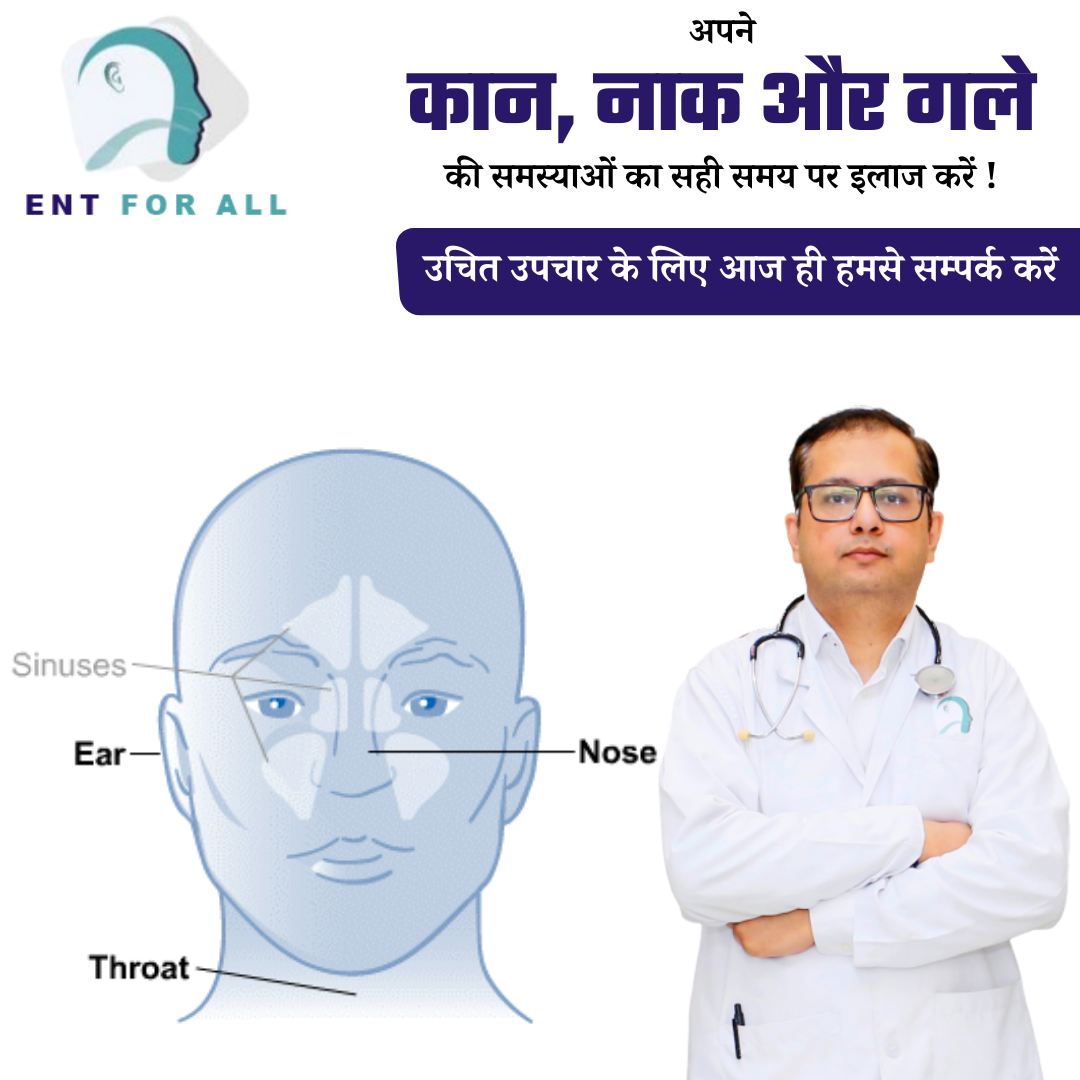
Repeated ear infections in children are manageable with timely diagnosis, proper treatment, and preventive care. Understanding the causes and warning signs empowers parents to act early. With the right medical support—such as guidance from Dr. Sushant Joshi (M.S., ENT)—most children recover well and continue to grow and develop without long-term problems.
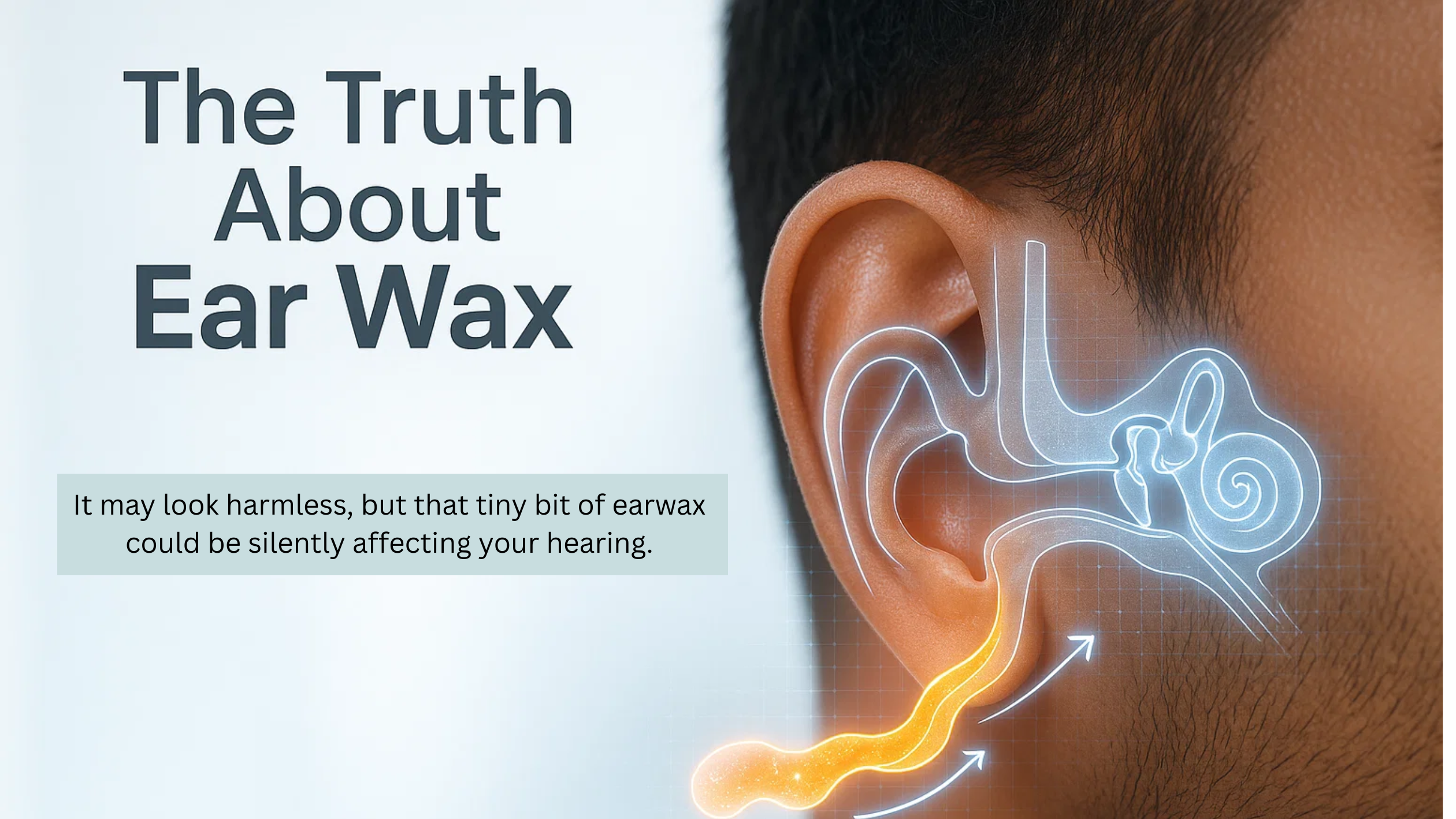
For a deeper understanding of everyday ear health risks, you may also find it helpful to read our related blog, “Ear Wax Isn’t Harmless—Here’s Why” which explains how overlooked earwax issues can contribute to infections and discomfort.