1. The Growing Link Between Pollution and Sinus Problems
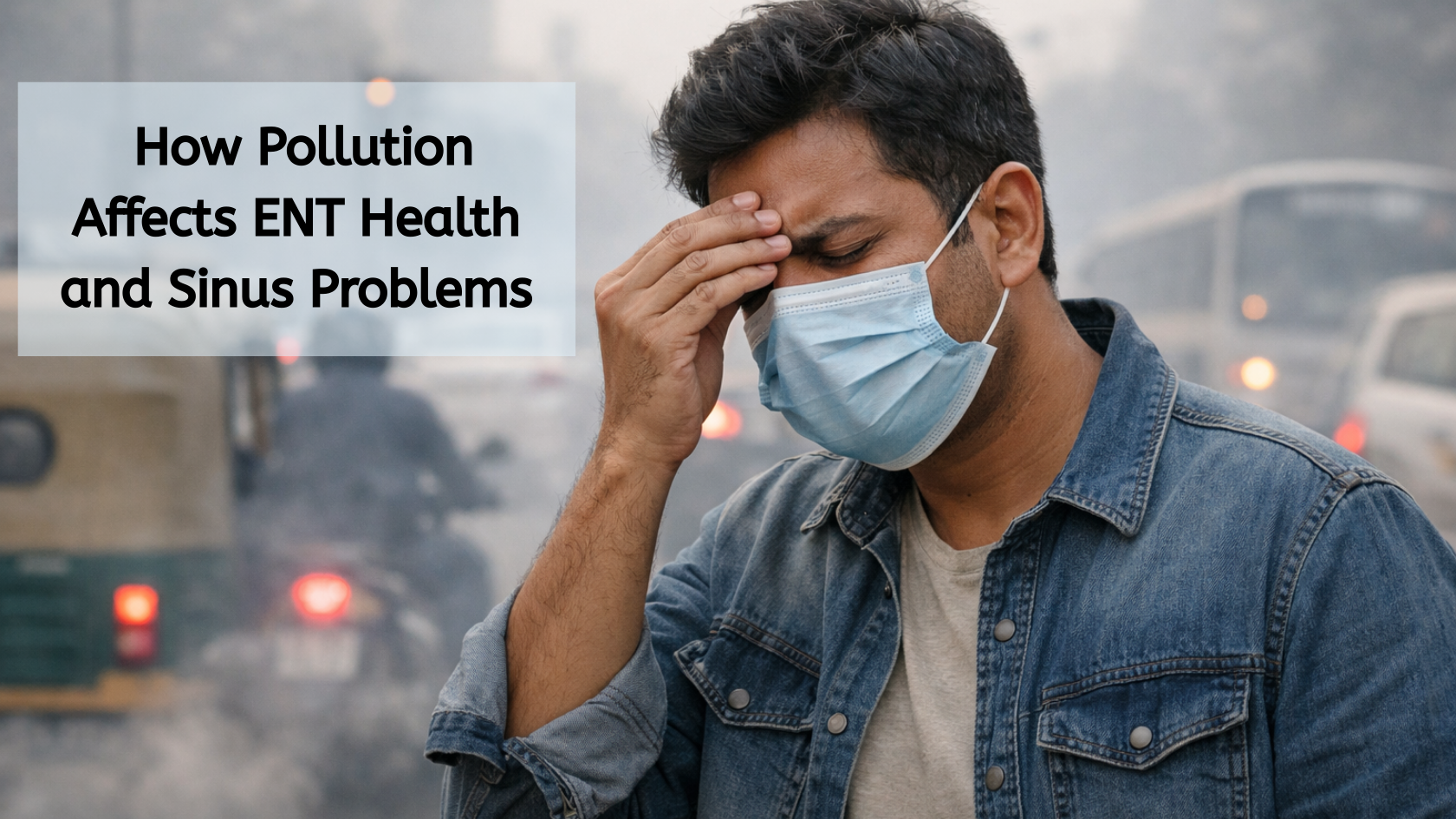
Air pollution has become a serious health concern in many cities around the world. Increasing levels of dust, vehicle emissions, industrial smoke, and chemical pollutants are affecting people’s health in multiple ways. While many people associate pollution with lung diseases, it also has a strong impact on nasal passages and sinus health.
In recent years, doctors have observed a rise in patients experiencing frequent sinus infections, nasal allergies, and persistent congestion. One of the main reasons behind this increase is exposure to polluted air. Pollutants can irritate the delicate lining of the nose and sinuses, leading to inflammation and blockage.
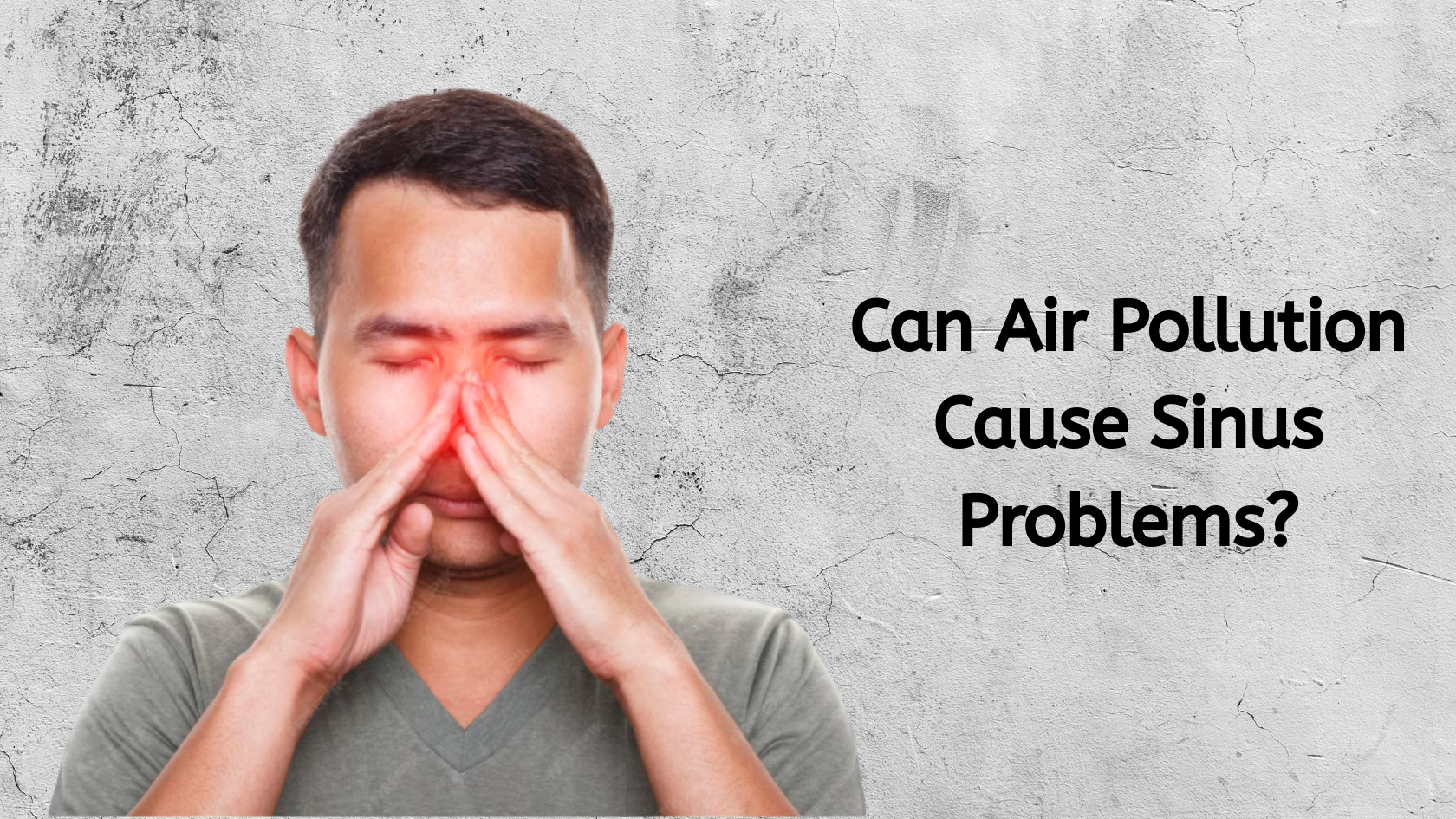
As pollution levels rise, more individuals are experiencing sinus issues due to pollution, including headaches, facial pressure, and difficulty breathing. Understanding the connection between pollution and sinus problems can help people take preventive steps and seek appropriate treatment when needed.
2. Understanding Sinus Problems and Sinusitis
Sinus problems occur when the sinus cavities become inflamed or blocked, often leading to congestion, facial pressure, and breathing discomfort. Sinusitis is a common condition that develops when the lining of the sinuses becomes swollen due to infections, allergies, or environmental factors such as pollution. Understanding sinus health helps in identifying symptoms early and seeking proper treatment.
2.1 What Are Sinuses and Why Are They Important?
Sinuses are air-filled cavities located around the nose, cheeks, forehead, and eyes. These cavities play an important role in maintaining respiratory health.
The sinuses help:
- Filter dust and harmful particles from inhaled air
- Humidify the air before it reaches the lungs
- Produce mucus that traps bacteria and pollutants
Healthy sinuses allow air to flow smoothly through the nasal passages while helping the body protect itself from environmental irritants.
2.2 What Is Sinusitis?
Sinusitis occurs when the lining of the sinuses becomes inflamed or swollen. This inflammation blocks normal mucus drainage and creates pressure within the sinus cavities.
Sinusitis can be classified into two main types:
Acute sinusitis:
A short-term infection that usually lasts for a few days or weeks.
Chronic sinusitis:
A long-lasting condition where sinus inflammation continues for several months or recurs frequently.
Common sinusitis symptoms include:
- Nasal congestion
- Facial pain or pressure
- Thick nasal discharge
- Reduced sense of smell
- Headaches
Identifying sinus infection causes is essential for effective treatment and prevention.
3. How Air Pollution Can Trigger Sinus Problems
Air pollution can significantly affect sinus health by irritating the nasal passages and sinus lining. When harmful pollutants such as dust, smoke, and chemical particles enter the nose, they can trigger inflammation and mucus buildup, increasing the risk of sinus congestion and infections. Over time, continuous exposure to polluted air may worsen sinus problems and lead to recurring symptoms.
3.1 Harmful Pollutants That Affect Sinus Health
Many types of pollutants can irritate the nasal passages and sinuses.
Common sources include:
- Dust particles such as PM2.5 and PM10
- Vehicle exhaust emissions
- Industrial smoke
- Chemical fumes
- Environmental allergens like pollen
These pollutants contribute to various environmental pollution effects, particularly on the respiratory system.
3.2 How Polluted Air Irritates Nasal Passages
When polluted air enters the nose, tiny particles can stick to the mucous lining of the nasal passages. This can lead to irritation and inflammation.
Over time, continuous exposure may cause:
- Swelling of nasal tissues
- Blocked sinus openings
- Excess mucus production
These reactions are closely linked to air pollution and sinusitis, which can result in recurring sinus infections and persistent nasal discomfort.
4. Common Sinus Symptoms Caused by Pollution Exposure
Exposure to polluted environments can trigger a range of sinus-related symptoms.
Common signs include:
- Persistent nasal congestion or blockage
- Frequent sinus headaches and facial pressure
- Runny nose and thick mucus discharge
- Reduced sense of smell
- Post-nasal drip and throat irritation
Many people also experience sinus pressure symptoms, particularly around the forehead, cheeks, or eyes. These symptoms may worsen during periods of high pollution.
5. Who Is Most at Risk of Pollution-Related Sinus Problems?
Certain groups of people are more vulnerable to sinus problems triggered by environmental pollution.
| Risk Group | Why They Are More Vulnerable |
|---|---|
| People Living in High-Pollution Urban Areas | Individuals living in densely populated cities are exposed to higher levels of air pollution, which increases the risk of nasal irritation and sinus inflammation. |
| Individuals with Allergies or Asthma | People who already suffer from allergies or asthma are more sensitive to airborne pollutants and may experience severe sinus congestion and inflammation. |
| Children and Elderly Individuals | Children and older adults often have weaker immune systems, making them more susceptible to respiratory infections and sinus-related problems. |
| People with Weak Immunity or Chronic ENT Conditions | Individuals with compromised immunity or existing ENT conditions may develop sinus infections more frequently when exposed to polluted air. |
Note: These groups are considered high-pollution health risk populations for sinus-related complications.
6. What ENT Experts Say About Pollution and Sinus Health
ENT experts say that air pollution can irritate the nasal passages and trigger sinus inflammation. Continuous exposure to pollutants such as dust and smoke may increase the risk of sinus congestion, infections, and recurring sinus problems.
6.1 Medical Perspective on Pollution-Induced Sinusitis
ENT specialists often observe that environmental pollution can worsen sinus inflammation and increase the likelihood of infections. Pollutants irritate the nasal lining and interfere with normal mucus drainage.
During diagnosis, doctors typically evaluate symptoms, medical history, and nasal passages to identify the cause of sinus problems.
Diagnostic methods may include:
- Nasal examination
- Imaging tests such as CT scans
- Allergy testing
These procedures help doctors confirm sinusitis diagnosis and determine appropriate treatment.
6.2 Long-Term Impact of Pollution on Nasal and Respiratory Health
Long-term exposure to polluted environments can cause recurring sinus infections and persistent inflammation. In some cases, this may lead to chronic sinusitis.
ENT experts emphasize that early treatment and preventive measures are essential to avoid complications and maintain healthy respiratory function.
7. Tips to Protect Your Sinus Health from Pollution
Protecting your sinuses from pollution is essential for maintaining good respiratory health. Simple preventive measures such as reducing exposure to polluted air, maintaining good indoor air quality, and practicing proper nasal hygiene can help minimize irritation and lower the risk of sinus problems.
7.1 Reduce Exposure to Air Pollution
Limiting exposure to polluted environments can significantly reduce sinus irritation.
Practical steps include:
- Wearing protective masks in polluted areas
- Avoiding outdoor activities during high pollution levels
- Monitoring local air quality reports
These measures help protect the body from airborne pollutants.
7.2 Maintain Good Indoor Air Quality
Indoor air quality also plays an important role in respiratory health.
Consider the following steps:
- Use air purifiers to remove pollutants
- Ensure proper ventilation in living spaces
- Clean household dust regularly
7.3 Practice Proper Nasal Hygiene
Maintaining nasal hygiene can help remove irritants from the nasal passages.
Helpful practices include:
- Saline nasal rinses
- Staying well hydrated
- Avoiding exposure to irritants such as smoke
These sinus health tips support healthy nasal function.
7.4 Strengthen Immunity and Respiratory Health
A strong immune system can help the body fight infections more effectively.
Healthy habits include:
- Balanced nutrition
- Regular physical activity
- Adequate sleep
- Managing allergies properly
These lifestyle choices can help prevent sinus infections and improve overall respiratory health.
8. When Should You Consult an ENT Specialist for Sinus Problems?
Although mild sinus symptoms may resolve on their own, certain situations require medical attention.
Consult an ENT doctor for sinus problems if you experience:
- Sinus symptoms lasting more than 10 days
- Recurring sinus infections
- Severe facial pain or swelling
- Difficulty breathing through the nose
Early consultation with a sinus treatment specialist can help prevent complications and ensure proper treatment.
9. Treatment Options for Pollution-Related Sinus Problems
Treatment for pollution-related sinus problems focuses on reducing inflammation, relieving symptoms, and improving sinus drainage. Depending on the severity of the condition, ENT specialists may recommend medications, lifestyle adjustments, or advanced treatments to effectively manage sinus infections and prevent recurring issues.
9.1 Medical Treatments for Sinus Infections
Doctors may recommend medications to relieve sinus inflammation and infection.
Common treatments include:
- Antihistamines for allergies
- Nasal sprays to reduce swelling
- Decongestants to relieve nasal blockage
- Antibiotics when bacterial infections are present
These treatments are commonly used in sinus treatment plans.
9.2 Advanced ENT Treatments for Chronic Sinusitis
For patients with severe or long-term sinus problems, doctors may recommend advanced treatment options.
These may include minimally invasive endoscopic procedures designed to improve sinus drainage and reduce inflammation.
9.3 Personalized Treatment Plans by ENT Specialists
Every patient’s condition is different, so treatment plans are often customized according to symptoms, medical history, and underlying causes.
This personalized approach helps manage chronic sinusitis treatment effectively.
10. Conclusion: Protect Your Sinuses in a Polluted Environment
Air pollution is a growing factor behind many sinus problems, including nasal congestion, sinus pressure, and recurring infections. Pollutants such as dust, smoke, and chemical particles can irritate the nasal passages and trigger inflammation in the sinuses. Taking preventive steps like reducing pollution exposure, maintaining good indoor air quality, and practicing proper nasal hygiene can help protect sinus health.
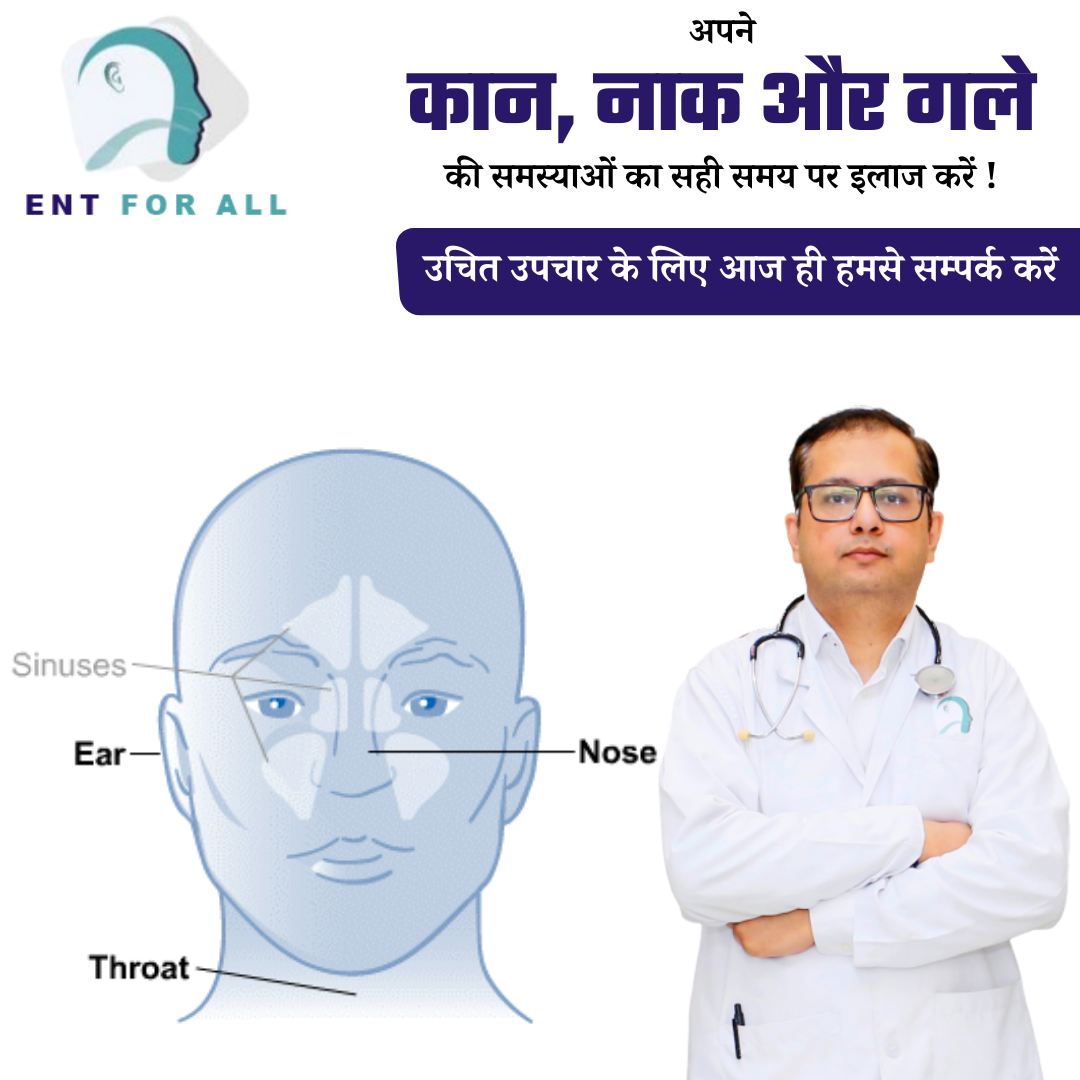
However, if symptoms persist or worsen, consulting an ENT specialist is important for proper diagnosis and treatment. Dr. Sushant Joshi, a well-known ENT surgeon at ENT FOR ALL, provides comprehensive care for ear, nose, and throat conditions in Udaipur, helping patients manage sinus issues effectively and maintain better respiratory health.