ENT Health · Wellness Insights
Can Stress & Anxiety Really Hurt
Your Ears?
The surprising connection between your mental state and your auditory health — and what you can do about it.
6 MIN READ
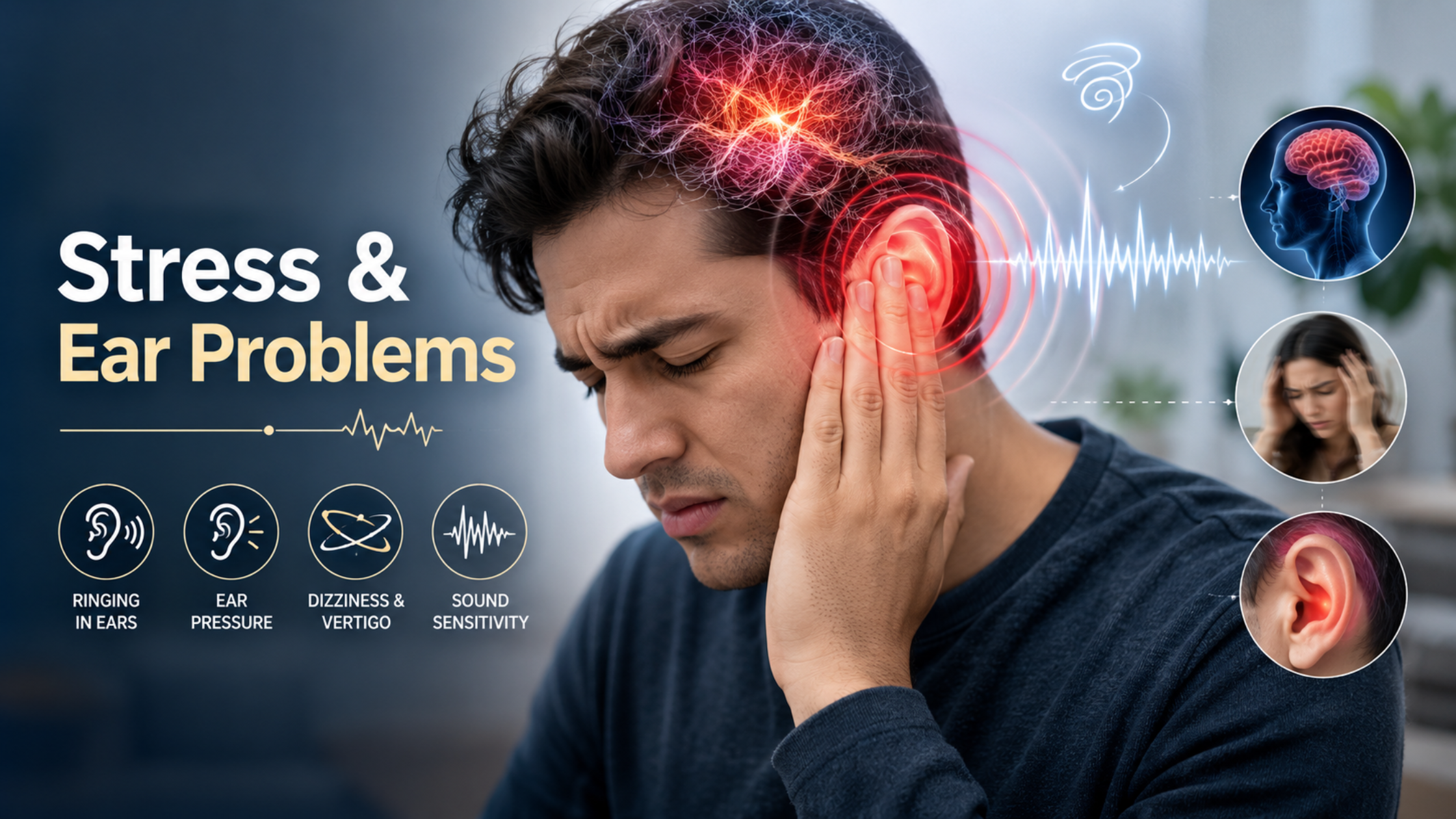
Stress and anxiety are commonly tied to mental and emotional health — but what many people don’t realise is that they can significantly affect your ear health too. From persistent ringing to pressure, dizziness, and hearing discomfort, stress-related ear symptoms are surprisingly common in today’s fast-paced world.
How Stress & Anxiety Affect Ear Health
When your body encounters stress, it floods your system with cortisol and adrenaline — activating the “fight or flight” response. This raises muscle tension, blood pressure, and nerve sensitivity. All of these can directly or indirectly disturb your ears and balance system.
Deep Dive
Common Ear Problems Linked to Stress
1. Tinnitus — Ringing in the Ears
Tinnitus is the most common stress-related ear symptom — described as ringing, buzzing, humming, or whistling with no external source. Stress doesn’t always cause tinnitus directly, but anxiety heightens brain alertness, making internal sounds feel significantly louder and more intrusive.
2. Ear Pressure & Fullness
That “blocked” sensation you feel during anxious moments can stem from muscle tension around the jaw and neck, altered breathing patterns, or Eustachian tube dysfunction — all triggered by stress. It’s alarming but usually temporary.
3. Dizziness & Vertigo
Anxiety disrupts the vestibular system — your body’s balance centre. Changes in breathing during panic or high stress can trigger lightheadedness. For those already managing inner ear conditions like Ménière’s disease or vertigo, stress can significantly worsen symptoms.
4. Sound Sensitivity
Stress ramps up your sensory awareness. During anxious periods, everyday sounds — a crowded room, traffic, music — can feel overwhelmingly loud and uncomfortable. This is your nervous system in overdrive, not a sign of permanent hearing damage.
Did You Know?
Can Anxiety Cause Temporary Hearing Problems?
Yes. Anxiety may contribute to temporary hearing changes by affecting blood circulation and muscle tension around the ear. You may experience muffled hearing, ear popping, difficulty focusing on sounds, or intermittent hearing fluctuations.
⚠️ Sudden or severe hearing loss is a medical emergency. Seek an ENT specialist immediately.
When Should You Visit an ENT Specialist?
Persistent ringing in the ears
Frequent dizziness or balance issues
Ear fullness lasting several days
Unexplained hearing changes
Ear pain without infection
Symptoms affecting sleep or daily life
Take Action
5 Ways to Reduce Stress-Related Ear Problems
🧘 Manage Stress Actively
Meditation, yoga, deep breathing, and regular exercise can lower cortisol levels and reduce stress-related symptoms across the body — including your ears.
😴 Prioritise Quality Sleep
Poor sleep worsens both anxiety and tinnitus. A consistent sleep schedule is essential for nervous system recovery and ear health.
☕ Cut Back on Caffeine & Nicotine
Excess caffeine and smoking can amplify both tinnitus and anxiety symptoms. Reducing intake often brings noticeable relief.
🔇 Protect Ears from Loud Noise
Noise exposure adds auditory stress on top of psychological stress. Use ear protection in loud environments and take regular quiet breaks.
🧑⚕️ Seek Professional Support
If anxiety is persistent or severe, a mental health professional can help. Treating anxiety often has a direct positive effect on ear symptoms.
How ENT Specialists Diagnose Stress-Related Ear Issues
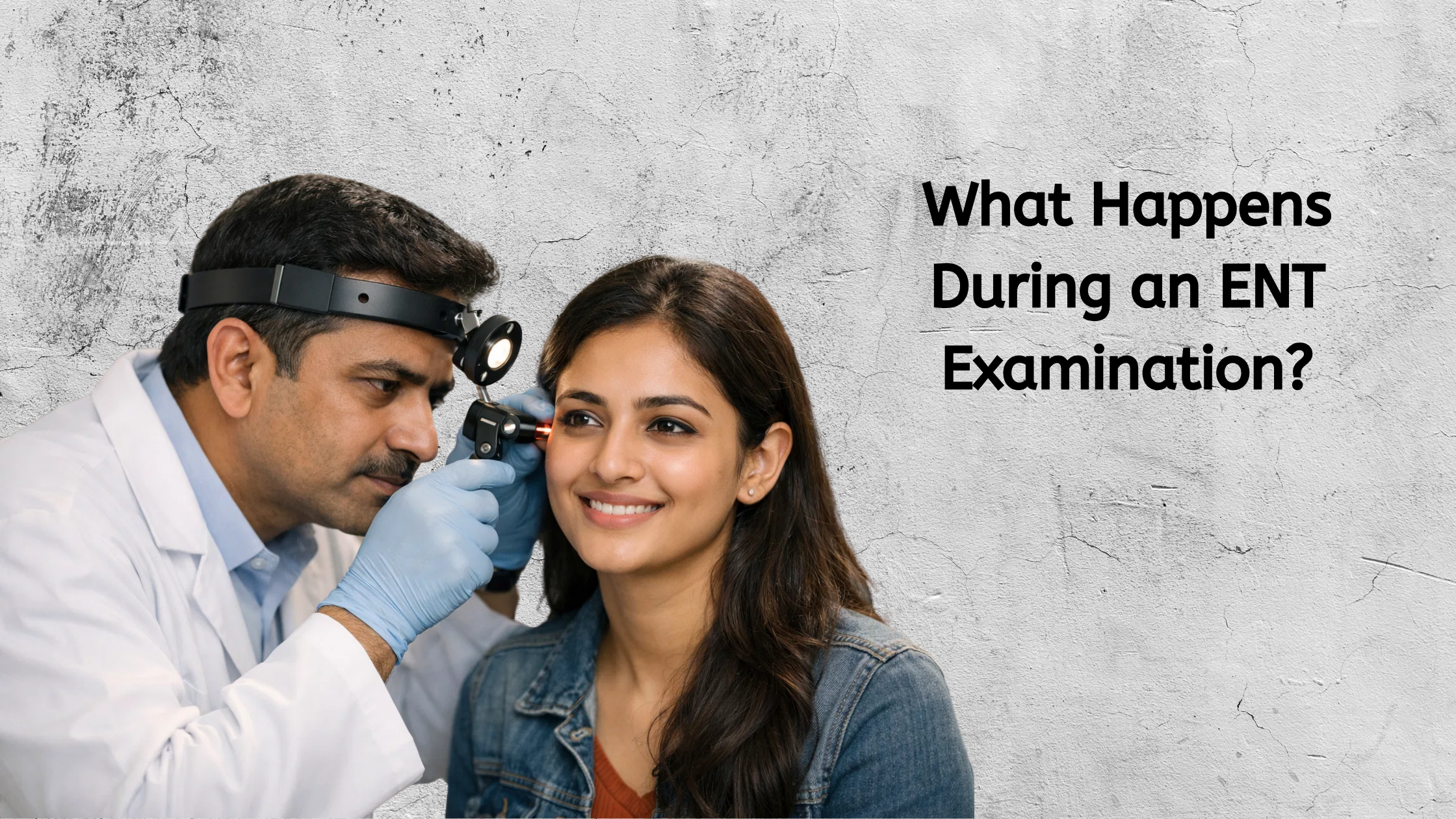
Before attributing symptoms to stress, ENT specialists rule out physical causes, including:
Wax blockage
Sinus problems
Hearing loss
Inner ear disorders
If no physical cause is found, stress and anxiety are considered contributing factors. In many cases, effective stress management alone significantly improves ear-related symptoms.
👂
Experiencing Ear Pressure, Ringing, or Dizziness?
Don’t ignore persistent ear symptoms. Early evaluation by Dr. Sushant Joshi at ENT for All, Udaipur, can identify whether stress, anxiety, or an underlying condition is the cause.
Got Questions?
Frequently Asked Questions
Q: Can stress cause ringing in the ears?
A: Yes. Stress and anxiety can worsen or trigger tinnitus by increasing nerve sensitivity and mental alertness, making internal sounds feel amplified.
Q: Can anxiety make your ears feel blocked?
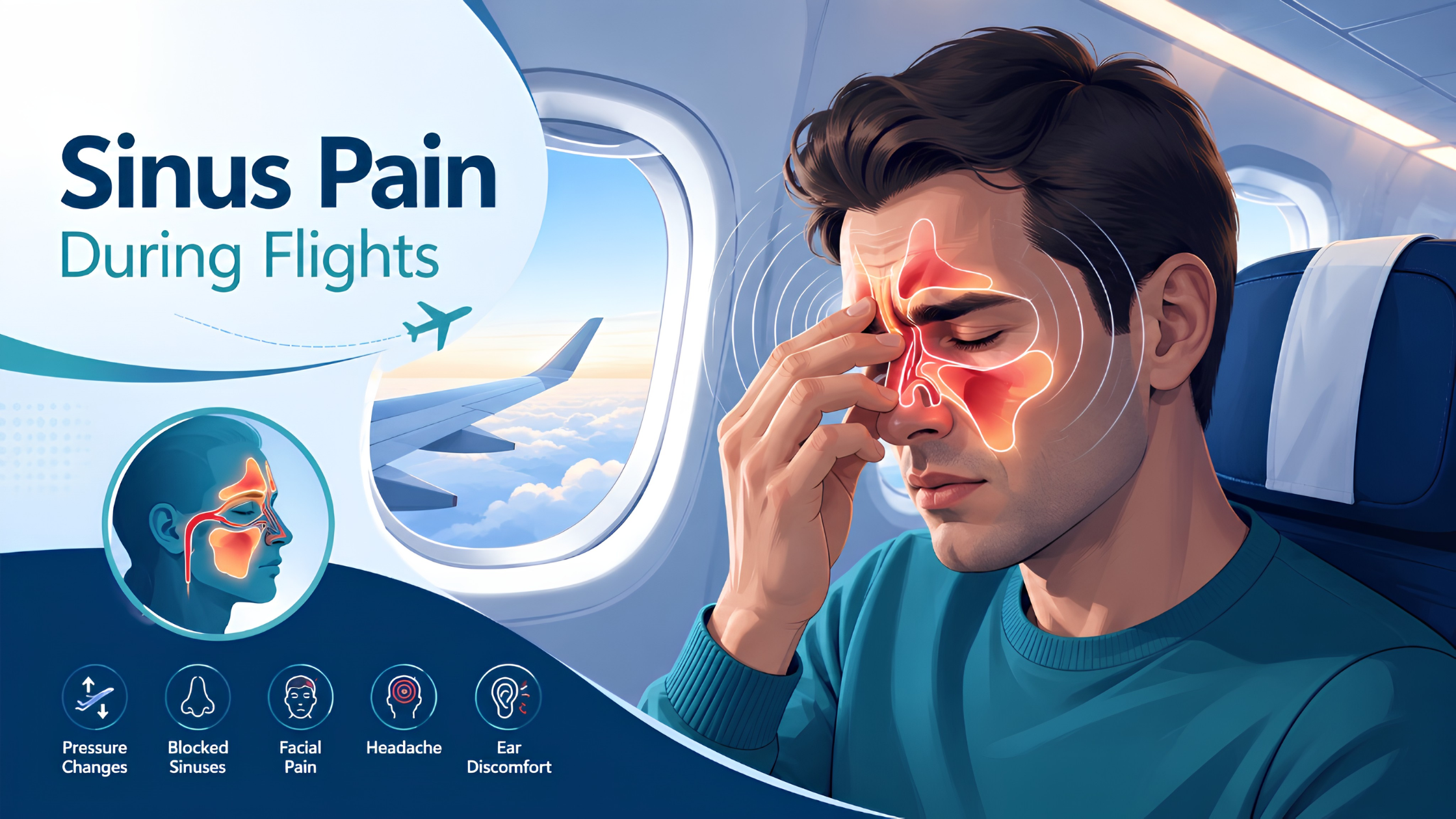
A: Yes. Anxiety causes muscle tension and pressure changes that create a blocked sensation — similar to what you might feel during a flight.
Q: When should I worry about dizziness and ear problems?
A: Seek medical attention if dizziness is severe, persistent, linked to hearing loss, or regularly affects your balance and daily functioning.
Q: Can stress permanently damage hearing?
A: Stress alone typically doesn’t cause permanent hearing damage. However, chronic unmanaged stress may worsen pre-existing ear conditions over time.
Expert ENT Care · Udaipur
Your Hearing Health Deserves Attention
If you’re dealing with persistent ringing, dizziness, ear pressure, or hearing discomfort — consult Dr. Sushant Joshi at ENT for All, Udaipur, for professional diagnosis and advanced ENT care. Early treatment can protect your hearing and improve your quality of life.