Why Sinus Headaches and Migraines Are Often Confused
Headaches are one of the most common health complaints, yet they are often misunderstood. Many people assume that pain around the forehead, eyes, or nose automatically means a sinus problem. As a result, migraines are frequently misidentified as sinus headaches, leading to delayed or ineffective treatment.
The confusion between sinus headache vs migraine happens because both conditions can cause facial pain and pressure. However, their causes, symptoms, and treatments are very different. Understanding the actual headache causes is essential, as correct diagnosis plays a key role in long-term relief and prevents unnecessary medication use.
What Is a Sinus Headache?
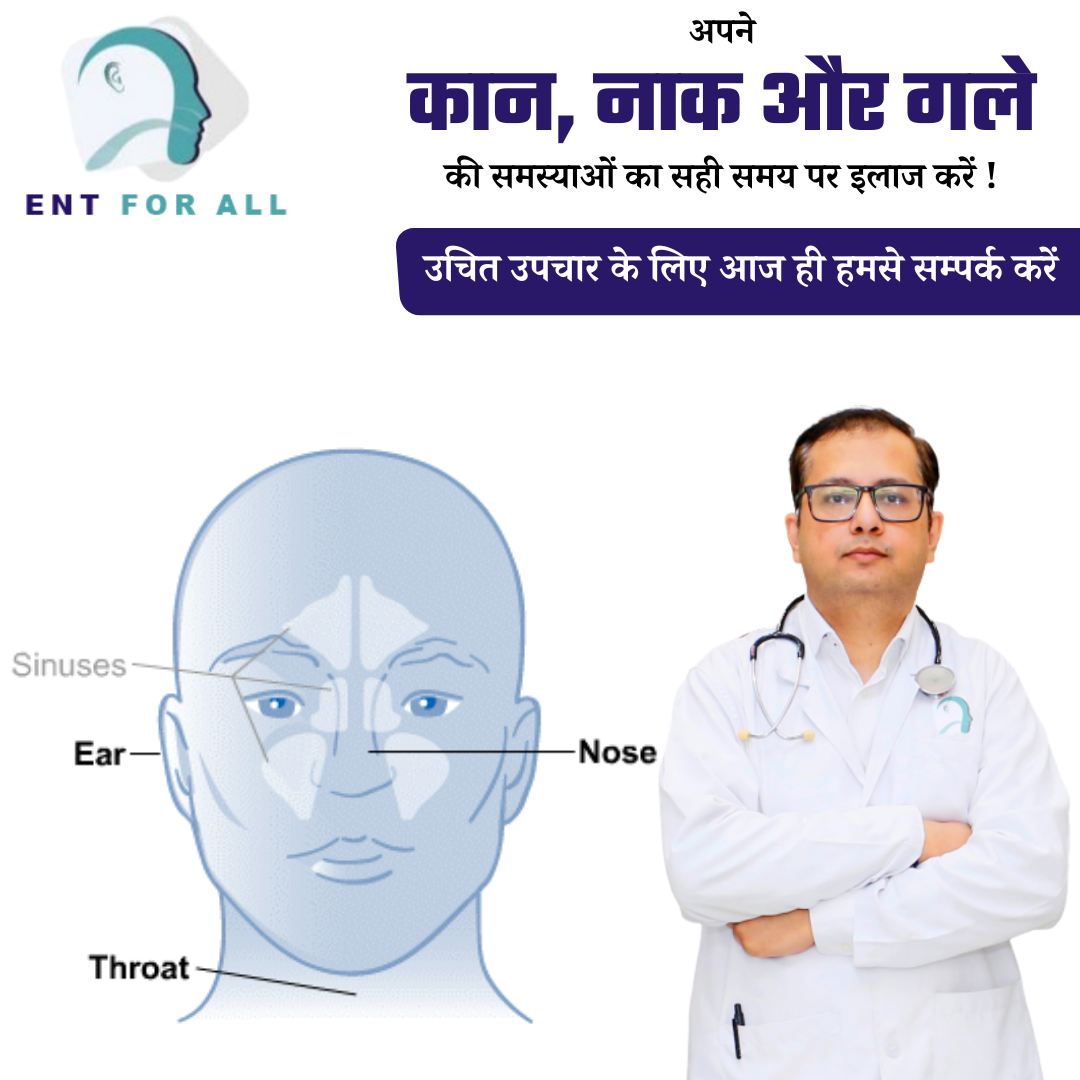
A sinus headache is caused by inflammation or blockage of the sinus cavities. These air-filled spaces are located around the nose, cheeks, eyes, and forehead. When the lining of the sinuses becomes swollen due to infection or allergies, pressure builds up and results in pain.
Common causes of sinus headache include sinus infections, allergic rhinitis, nasal polyps, or structural blockage that prevents proper drainage. The pain is usually felt as a dull, heavy pressure in the face rather than a sharp or throbbing sensation. Symptoms often worsen when bending forward or lying down.
What Is a Migraine?
A migraine is a neurological condition, not related to sinus infection or nasal blockage. It involves abnormal brain activity that affects nerves, blood vessels, and chemical signaling in the brain.
Typical migraine symptoms include moderate to severe head pain, often on one side, that may feel pulsating or throbbing. Migraines can be triggered by stress, lack of sleep, hormonal changes, certain foods, or sensory stimuli. Unlike sinus headaches, migraines are frequently accompanied by nausea, sensitivity to light or sound, and sometimes visual disturbances.
Key Differences Between Sinus Headache and Migraine
The difference between sinus headache and migraine becomes clearer when symptoms are compared side by side:
Aspect Sinus Headache Migraine Pain location Facial pressure around the nose, eyes, and forehead Often one-sided; may affect temples or back of the head Type of pain Heavy, dull, and constant Throbbing or pulsating Associated symptoms Nasal congestion, nasal discharge Nausea, vomiting, light sensitivity Duration Lasts as long as sinus inflammation persists Can last from a few hours to several days Response to medication Improves with decongestants or antibiotics (if infection-related) Responds better to migraine-specific neurological medications
Symptoms That Point Toward a Sinus Headache
Certain signs strongly suggest a sinus-related cause rather than a neurological one. Common sinus headache symptoms include facial pressure or fullness, especially around the cheeks and eyes. Nasal congestion or thick nasal discharge is usually present.
Pain often increases when bending forward, coughing, or straining. Some patients also notice a reduced sense of smell or a feeling of heaviness in the head. These symptoms typically appear alongside cold, flu, or allergy episodes.
Symptoms That Suggest a Migraine
Migraines have a distinct symptom pattern. Pain is often throbbing and may worsen with physical activity. Sensitivity to light, sound, or strong smells is common.
Nausea or vomiting frequently accompanies the headache, and some individuals experience visual changes such as flashing lights or blurred vision before the pain begins. These migraine symptoms are not linked to nasal congestion or sinus infection.
Why Sinus Infections Are Often Mistaken for Migraine
The overlap in facial pain is the main reason sinus headache vs migraine confusion occurs. Many people self-medicate with painkillers or nasal sprays without understanding the real cause. Temporary relief from these medicines can further mask the condition.
Without professional evaluation, migraines may go untreated for years, while sinus treatments are repeatedly tried without success. Proper medical assessment helps avoid unnecessary medication and long-term discomfort.
How ENT Specialists Diagnose Sinus-Related Headaches
An ENT specialist focuses on identifying sinus and nasal causes of head pain. Diagnosis usually begins with a detailed clinical examination of the nose and sinuses. Nasal endoscopy allows direct visualization of sinus openings and inflammation.
In some cases, imaging such as a CT scan is advised to assess sinus anatomy and blockage. Consulting an ENT specialist for sinus problems ensures accurate identification of sinus-related headaches and appropriate treatment planning.
When a Neurological Evaluation Is Recommended
If headache patterns do not match sinus findings, neurological evaluation becomes important. Red flags include severe throbbing pain, visual symptoms, repeated vomiting, or headaches triggered by light and sound.
ENT doctors may refer patients to a neurologist when sinus disease is ruled out. This collaborative approach improves headache diagnosis and ensures patient safety.
Why Correct Diagnosis Matters for Treatment
Treating the wrong condition often leads to frustration and prolonged symptoms. Migraine medications will not resolve sinus inflammation, and antibiotics will not help neurological headaches.
Incorrect diagnosis may also lead to overuse of painkillers or nasal sprays, causing additional complications. Proper identification allows targeted headache treatment and effective sinus headache treatment, improving long-term outcomes.
When Should You See an ENT Doctor for Headaches?
You should consider seeing an ENT doctor if headaches are accompanied by nasal congestion, facial pressure, or recurrent sinus infections. Persistent facial pain that worsens with posture changes or does not respond to regular medication also warrants evaluation.
Knowing when to see an ENT doctor for a headache can prevent unnecessary suffering and speed up recovery.
Summary
Understanding the difference between sinus headache and migraine is essential for effective treatment. While both can cause significant discomfort, their origins and management are very different. Accurate diagnosis, guided by clinical evaluation, prevents misuse of medication and ensures lasting relief.
If headaches are frequent, severe, or confusing, a timely consultation with an ENT specialist or appropriate medical professional can make all the difference in managing symptoms and improving quality of life.