What to Expect During Your ENT Visit
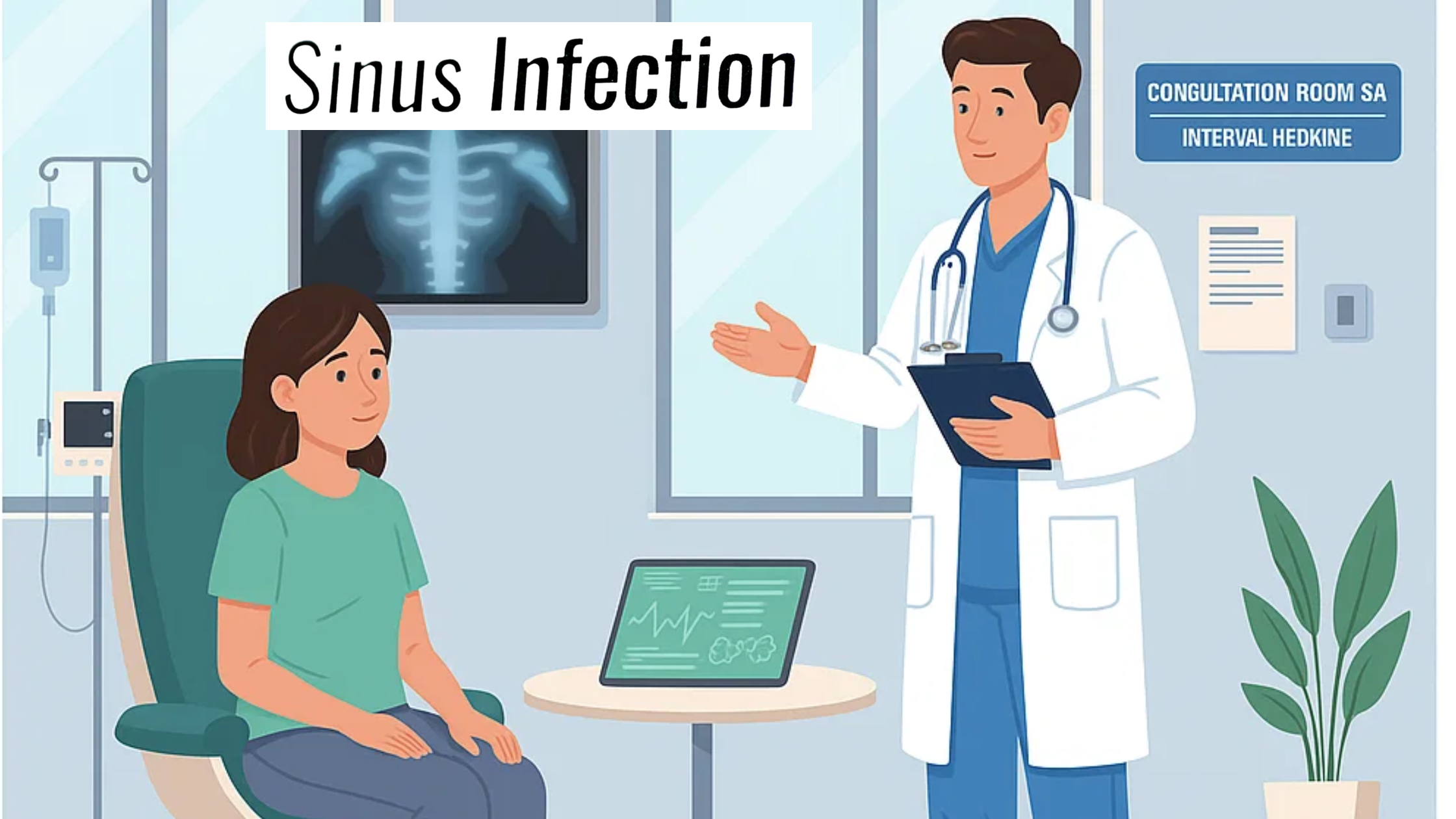
Understanding what happens during an ENT (Ear, Nose, and Throat) examination can ease concerns and help you feel more prepared for your visit. Whether you’re dealing with ongoing sinus issues, throat discomfort, or hearing problems, an ENT check-up plays an important role in identifying the cause and guiding the right treatment.
This guide walks you through the entire process of an ENT examination in a simple and easy-to-understand way.
Understanding ENT Care and Its Importance
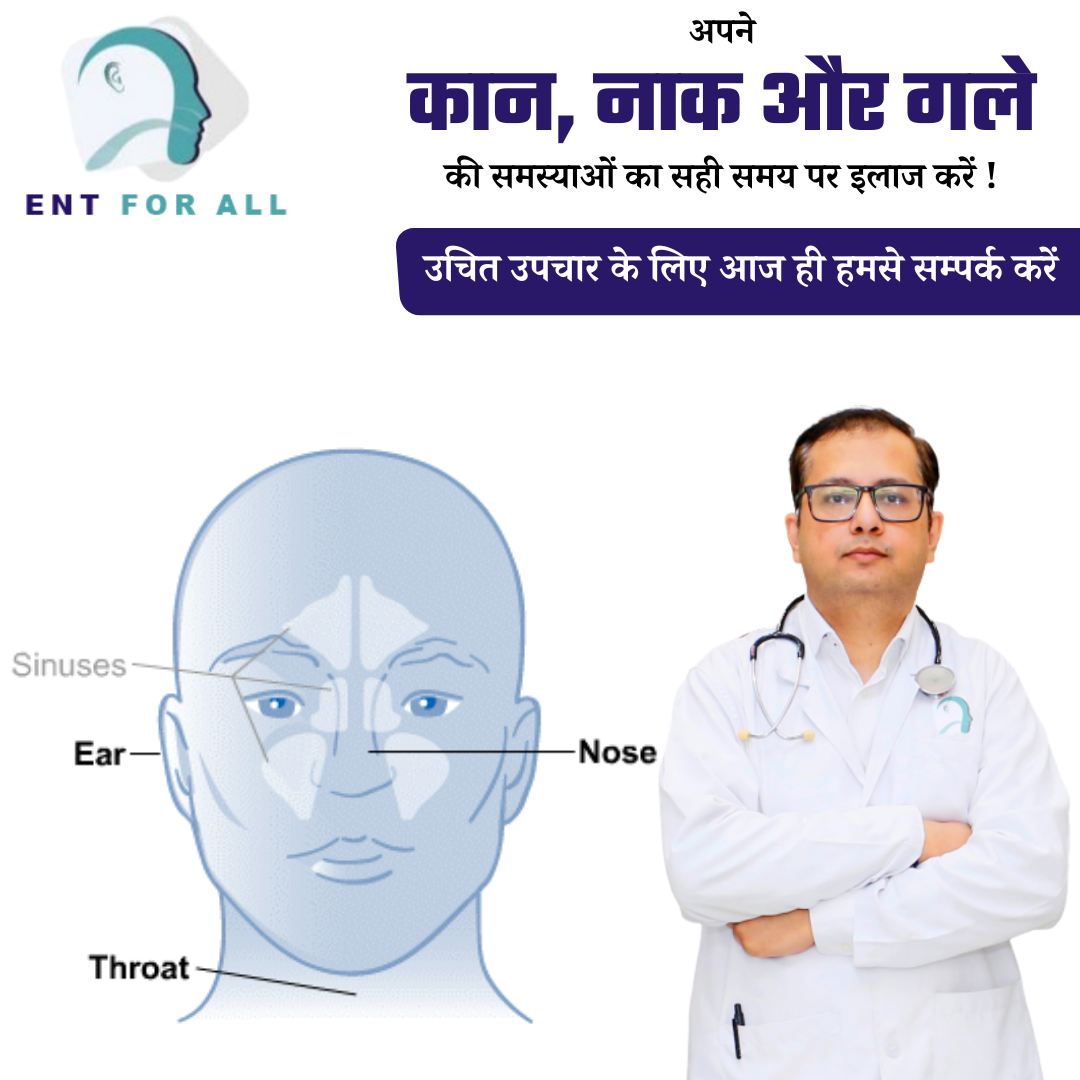
ENT specialists (otolaryngologists) focus on diagnosing and treating conditions affecting the ear, nose, throat, and related head-neck structures. These systems are closely interconnected, which means symptoms such as headaches, nasal blockage, or ear discomfort may be linked to a common underlying issue.
A structured ENT examination helps identify the root cause rather than just addressing surface-level symptoms.
💡 Key Insight: A structured ENT examination helps identify the root cause rather than just addressing surface-level symptoms.
When Should You Visit an ENT Specialist?
You should consider scheduling an ENT consultation if you experience:
👂 Persistent ear pain or reduced hearing
👃 Nasal congestion or frequent sinus infections
🗣️ Sore throat or difficulty swallowing
🌪️ Dizziness or balance-related issues
🎤 Hoarseness or voice changes
🤧 Chronic cough or allergies
⚠️ Important: If symptoms last beyond 1–2 weeks or recur frequently, professional evaluation becomes essential to prevent complications.
Step-by-Step Process of an ENT Examination
Medical History and Symptom Assessment
The examination begins with a detailed consultation where the doctor gathers information about duration, severity, medical history, and lifestyle factors.
Physical Examination of Ear, Nose, and Throat
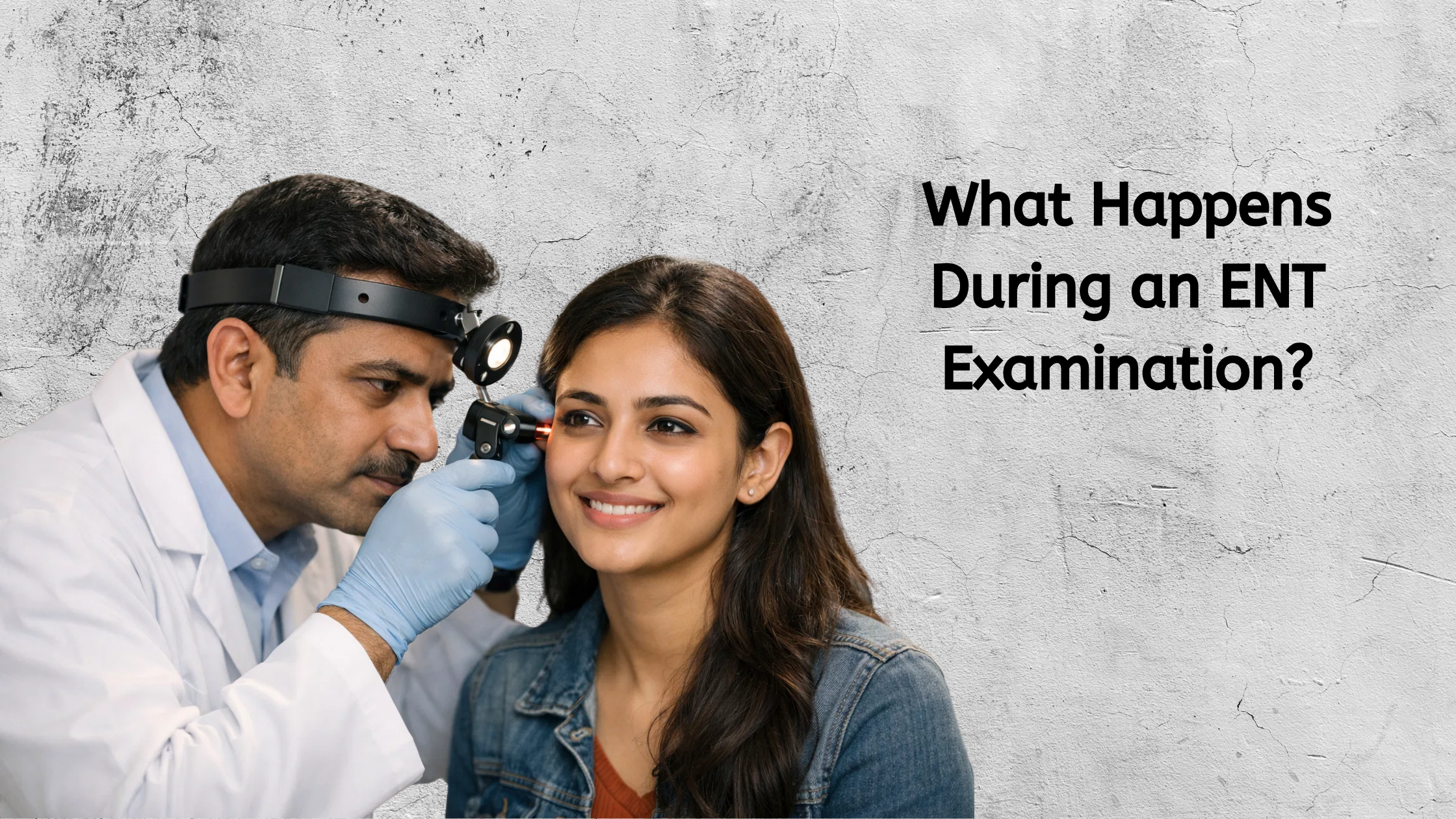
The doctor examines the ear using an otoscope, checks nasal passages, and inspects the throat to identify infections or abnormalities.
Diagnostic Tests (If Required)
Tests like audiometry, allergy testing, or imaging may be recommended for accurate diagnosis.
Endoscopic Examination
A thin camera-based instrument may be used for deeper internal evaluation of nasal passages or throat.
Diagnosis and Treatment Planning
The specialist explains findings and recommends medications, therapies, or procedures.
Duration & Safety
⏱️ How Long Does It Take?
- Basic consultation: 15–30 minutes
- With additional tests: 30–60 minutes
✓ Is It Painful?
ENT examinations are generally safe and painless. Some procedures may cause mild discomfort but are well-tolerated. Modern diagnostic tools ensure a comfortable experience.
Common Conditions Diagnosed During ENT Exams
🔴 Sinusitis and nasal allergies
🔴 Ear infections and hearing disorders
🔴 Tonsillitis and throat infections
🔴 Vertigo and balance disorders
🔴 Voice and speech-related issues
✓ Early diagnosis helps prevent complications.
How to Prepare for Your ENT Visit
Keep a record of symptoms
Carry previous reports and medical records
Avoid self-medication before your visit
Discuss lifestyle habits and medical history
💡 Preparation ensures better diagnosis and treatment planning.
Prioritize Expert ENT Care with Trusted Specialists
If you’re facing persistent ear, nose, or throat concerns, choosing the right specialist can make all the difference.
At ENT For All, your care is led by Dr. Sushant Joshi, a renowned ENT surgeon known for delivering advanced treatment outcomes across hearing, allergy, voice, and sinus care.
Frequently Asked Questions (FAQs)
❓ What symptoms indicate that I need an ENT examination?
If you experience persistent ear pain, nasal congestion, throat irritation, hearing loss, dizziness, or voice changes lasting more than a week, it is advisable to consult an ENT specialist for proper diagnosis and treatment.
❓ How should I prepare for my first ENT consultation?
Before your visit, note your symptoms, duration, and triggers. Carry previous medical records, avoid self-medication, and be ready to discuss lifestyle habits to help the doctor assess your condition accurately.
❓ What tests are commonly done during an ENT check-up?
An ENT examination may include otoscopy, nasal inspection, throat evaluation, and in some cases, diagnostic tests such as audiometry, allergy testing, or imaging scans for a detailed assessment.
❓ Can an ENT specialist treat allergies and sinus problems?
Yes, ENT specialists are trained to diagnose and manage allergies, sinus infections, and related conditions through medication, lifestyle guidance, and advanced procedures if required.
❓ Is fasting required before an ENT examination or test?
In most cases, fasting is not required for a routine ENT examination. However, specific diagnostic tests or procedures may have preparation guidelines, which your doctor will inform you about in advance.
❓ How often should I get an ENT check-up?
Routine ENT check-ups are not necessary for everyone, but individuals with chronic sinus issues, hearing problems, or allergies should consider periodic evaluations as recommended by their doctor.
Ready to Schedule Your ENT Consultation?
Don’t let ear, nose, or throat issues affect your quality of life. Book an appointment with our expert specialists today.
ENT For All | Dr. Sushant Joshi | Advanced ENT Care Solutions