1. Introduction: How Environmental Pollution Affects ENT Health
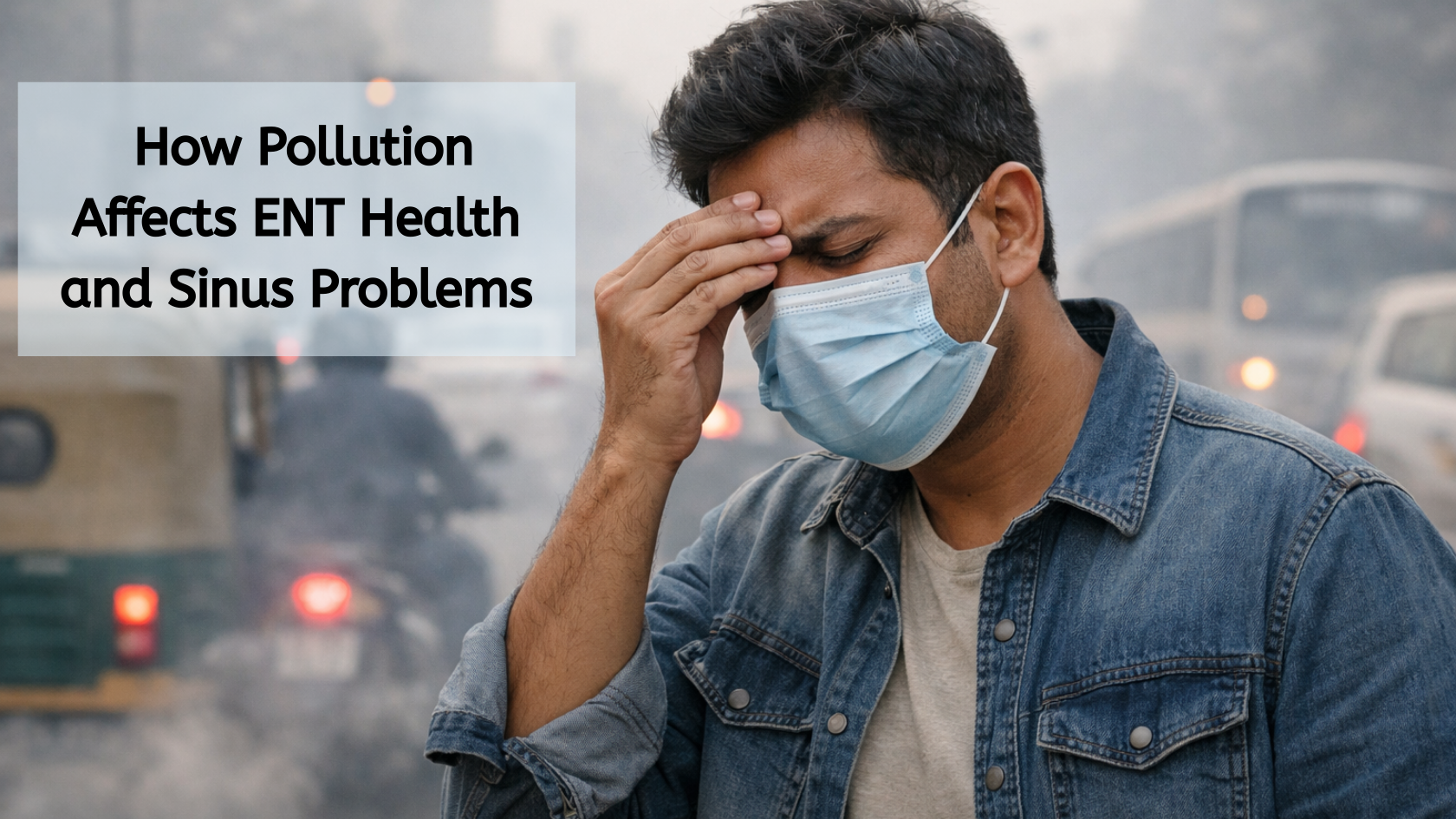
Environmental pollution has become one of the most significant health concerns worldwide. Rapid urbanization, vehicle emissions, industrial activities, and construction work have increased the number of pollutants in the air we breathe. While pollution is often associated with lung diseases, it also has a major impact on ear, nose, and throat health.
Airborne pollutants such as dust particles, smoke, and chemical fumes can irritate sensitive tissues in the respiratory system. These irritants often lead to ENT health problems, including sinus infections, throat irritation, allergies, and even ear complications.
Exposure to polluted air can weaken the body’s natural defense mechanisms, making it easier for infections and allergies to develop. As a result, many people living in urban areas experience frequent sinus problems, nasal congestion, or persistent throat discomfort. Understanding the link between environmental pollution and health is essential for preventing long-term complications.
2. Understanding ENT Health: Why the Ear, Nose, and Throat Are Vulnerable
The ear, nose, and throat are directly exposed to the air we breathe, making them vulnerable to pollutants like dust, smoke, and allergens. Continuous exposure to these irritants can lead to inflammation, infections, and various ENT health problems.
2.1 What Is ENT Health and Why It Matters
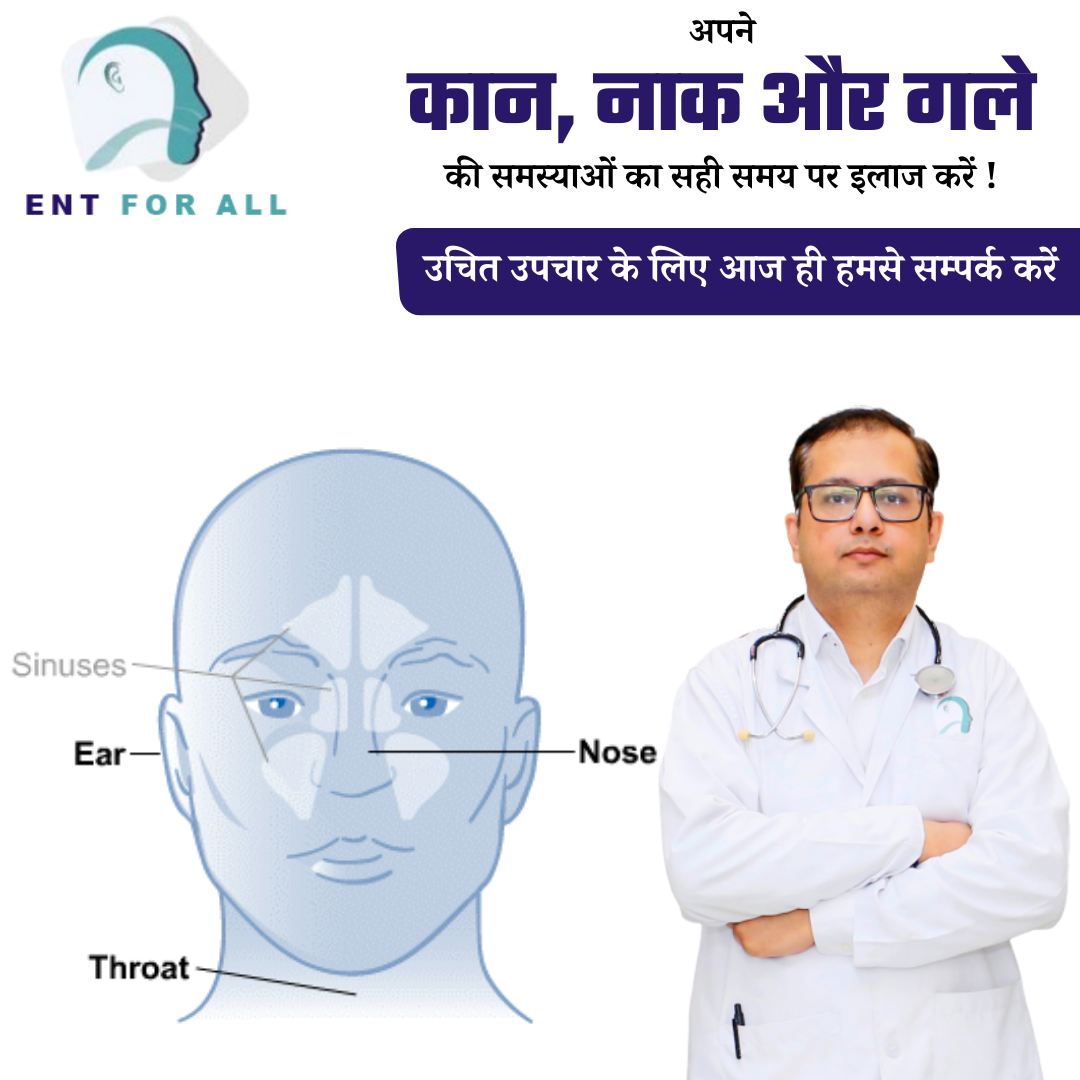
ENT health refers to the proper functioning of the ear, nose, and throat—three interconnected parts of the upper respiratory system. These organs play vital roles in hearing, breathing, speaking, and protecting the body from harmful environmental particles.
The nose and throat act as natural filters that trap dust, bacteria, and pollutants before they reach the lungs. However, when pollution levels are high, these organs become overexposed to irritants, increasing the risk of inflammation and infection.
This is why people frequently seek medical advice from an ear, nose, and throat specialist when experiencing persistent nasal congestion, throat irritation, or sinus discomfort.
2.2 How Polluted Air Enters the Respiratory System
When we breathe polluted air, harmful particles enter the body through the nose. The nasal passages and sinuses are designed to filter and trap these particles, but excessive exposure can overwhelm this protective system.
Common pollutants include:
- Dust particles
- Smoke from vehicles and factories
- Chemical fumes
- Allergens such as pollen and mold spores
Over time, these pollutants can irritate the lining of the nasal passages and throat, affecting the body’s respiratory system protection and increasing susceptibility to infections.
3. Types of Environmental Pollution That Affect ENT Health
3.1 Air Pollution and Fine Particulate Matter (PM2.5 and PM10)
Air pollution contains microscopic particles known as PM2.5 and PM10. These particles are small enough to enter the respiratory tract and cause irritation.
Major sources include:
- Vehicle exhaust emissions
- Industrial smoke
- Burning of waste or crop residue
- Construction dust
These pollutants are known for their strong air pollution health effects, particularly on the respiratory system and sinus tissues.
3.2 Indoor Air Pollution and Allergens
Indoor air pollution can also significantly impact ENT health. Poor ventilation and household pollutants can irritate sensitive respiratory tissues.
Common indoor pollutants include:
- Dust mites
- Mold spores
- Pet dander
- Chemical fumes from cleaning products
Long-term exposure to indoor air pollution may lead to allergies, sinus irritation, and throat discomfort.
3.3 Seasonal Pollution and Environmental Allergens
Certain seasons bring higher levels of environmental allergens. During spring or dry seasons, pollen and dust particles become more prevalent in the air.
Construction activities and weather-related pollution also increase airborne particles, which may trigger sinus congestion and allergic reactions in sensitive individuals.
These environmental allergens often worsen existing ENT conditions.
4. Common ENT Problems Caused by Environmental Pollution
4.1 Sinusitis and Chronic Sinus Problems
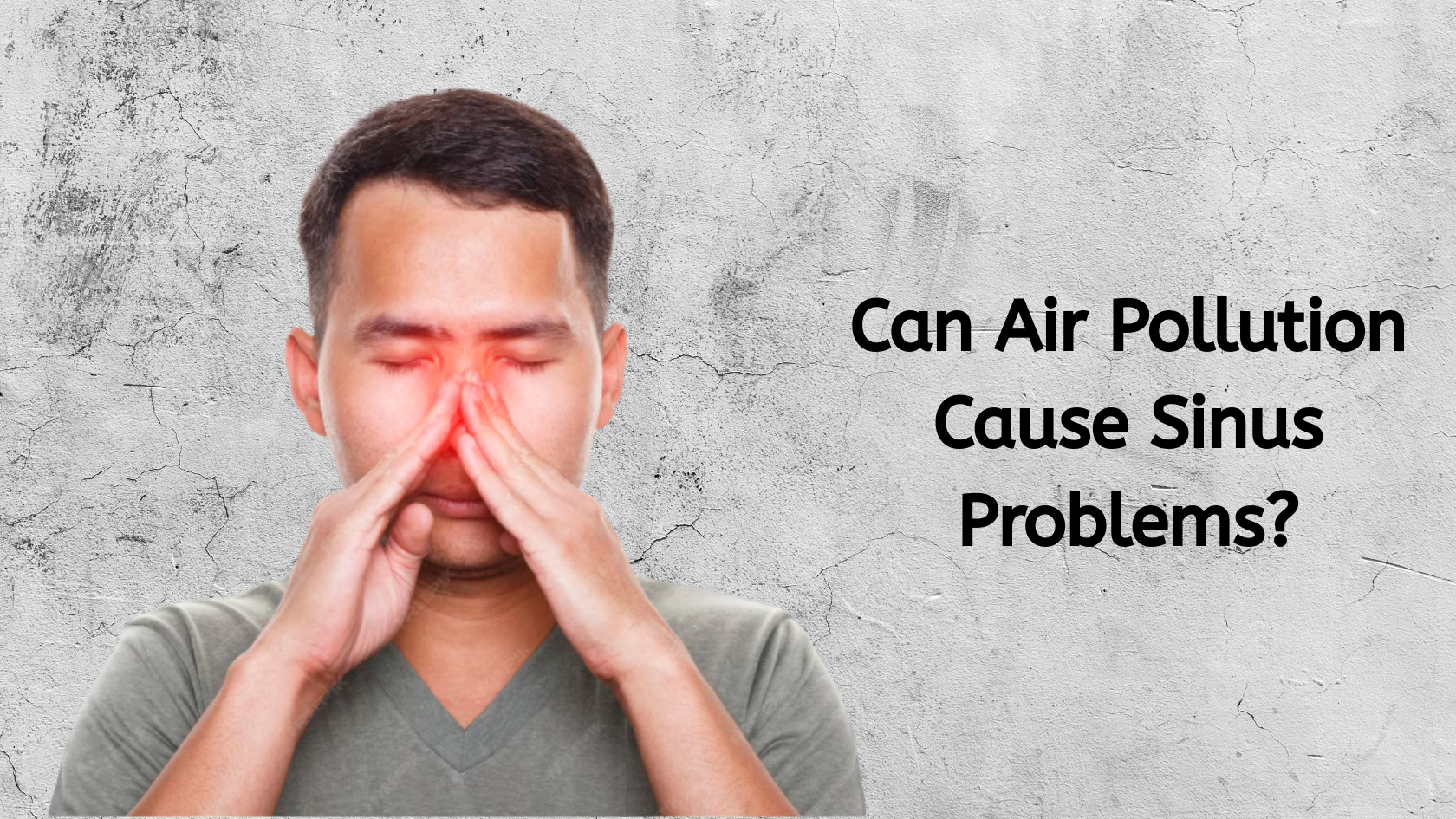
One of the most common effects of pollution is sinus inflammation. Polluted air irritates the sinus lining, causing swelling and blockage.
This may lead to:
- Sinus pressure
- Facial pain
- Nasal congestion
- Frequent infections
Understanding sinus infection causes helps identify pollution as a major trigger.
4.2 Allergic Rhinitis and Nasal Congestion
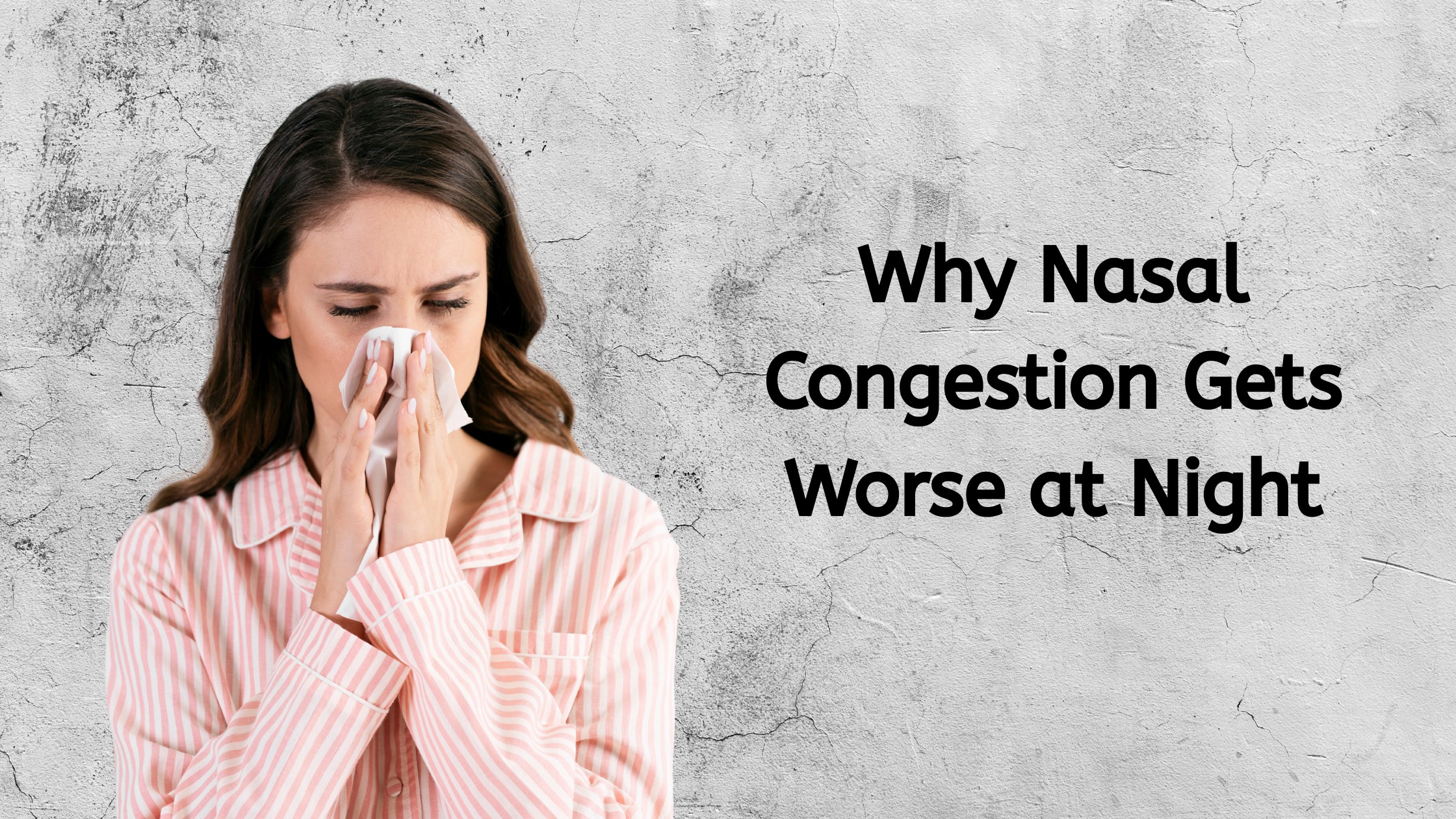
Airborne pollutants and allergens can trigger allergic reactions in the nasal passages.
Typical allergic rhinitis symptoms include:
- Sneezing
- Runny nose
- Nasal blockage
- Itchy nose or throat
These symptoms often worsen during periods of high pollution.
4.3 Throat Irritation and Persistent Cough
Polluted air can irritate the throat lining, causing dryness and inflammation. This may lead to a persistent cough, hoarseness, or a constant sore throat.
Individuals exposed to polluted environments may experience these symptoms more frequently.
4.4 Ear Infections and Eustachian Tube Problems
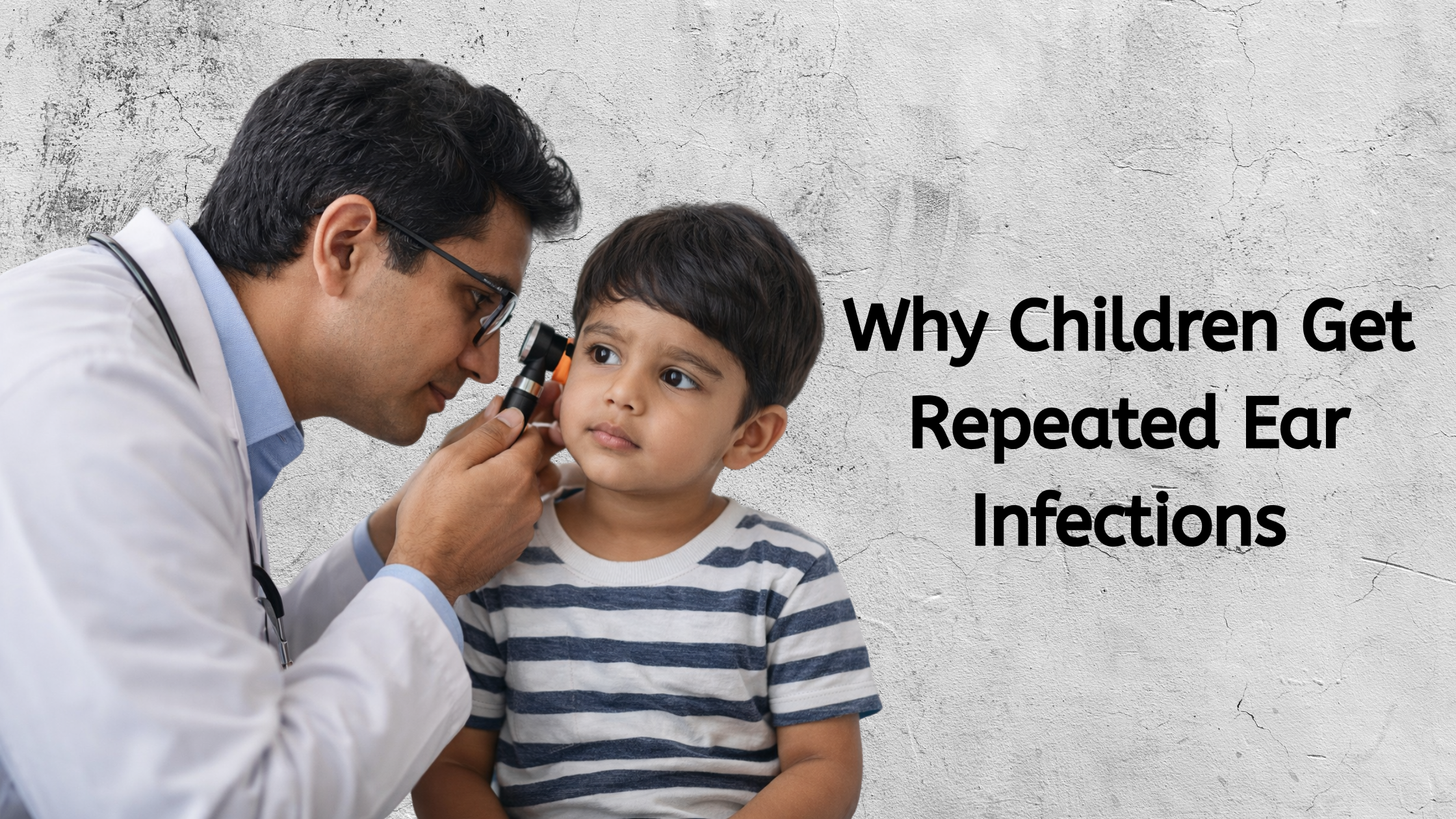
The ear, nose, and throat are closely connected through the Eustachian tube. Infections or inflammation in the nasal passages may spread to the ears.
This can result in:
- Ear pressure
- Ear pain
- Temporary hearing discomfort
These conditions are often associated with ENT infections triggered by respiratory irritation.
5. How Pollution Worsens Sinus Conditions
Environmental pollution can irritate the nasal passages and sinus tissues, leading to inflammation and blockage. Continuous exposure to dust, smoke, and pollutants can worsen sinus problems and increase the risk of infections.
| Condition | Explanation |
|---|---|
| Inflammation of Sinus Tissues | Pollutants irritate the nasal passages, causing swelling and inflammation. This blocks normal mucus drainage and creates conditions where infections can develop. |
| Increased Risk of Chronic Sinusitis | Continuous exposure to pollution can cause recurring sinus infections that may develop into chronic sinusitis lasting several weeks or months. |
| Impact on People with Allergies or Asthma | People with allergies or asthma are more sensitive to pollutants. Polluted air can worsen symptoms and increase the risk of sinus infections. |
6. Warning Signs of Pollution-Related ENT Problems
Certain symptoms may indicate that environmental pollution is affecting your ENT health.
Common sinus symptoms include:
- Frequent sinus headaches or facial pain
- Persistent nasal congestion
- Runny nose or postnasal drip
- Reduced sense of smell
- Ear pressure or discomfort
Recognizing these ENT symptoms early can help prevent complications.
7. Preventive Measures to Protect ENT Health from Pollution
7.1 Reducing Exposure to Air Pollution
Limiting exposure to polluted environments is one of the most effective preventive measures.
Practical steps include:
- Wearing masks in high-pollution areas
- Avoiding outdoor activities during severe pollution
- Staying informed about air quality levels
These strategies help protect from air pollution.
7.2 Maintaining Good Indoor Air Quality
Improving indoor air quality can significantly reduce respiratory irritation.
Consider the following:
- Use air purifiers
- Ensure proper ventilation
- Keep living spaces clean and dust-free
7.3 Strengthening Immunity and Nasal Hygiene
Good health habits can support sinus health.
Helpful practices include:
- Drinking adequate water
- Using saline nasal rinses
- Maintaining proper sleep and nutrition
These sinus health tips help keep nasal passages healthy.
7.4 Lifestyle Habits for Better Respiratory Health
Certain lifestyle choices can improve overall ENT health.
These include:
- Avoiding smoking
- Reducing exposure to chemical fumes
- Staying physically active
Simple ENT care tips can reduce the risk of pollution-related complications.
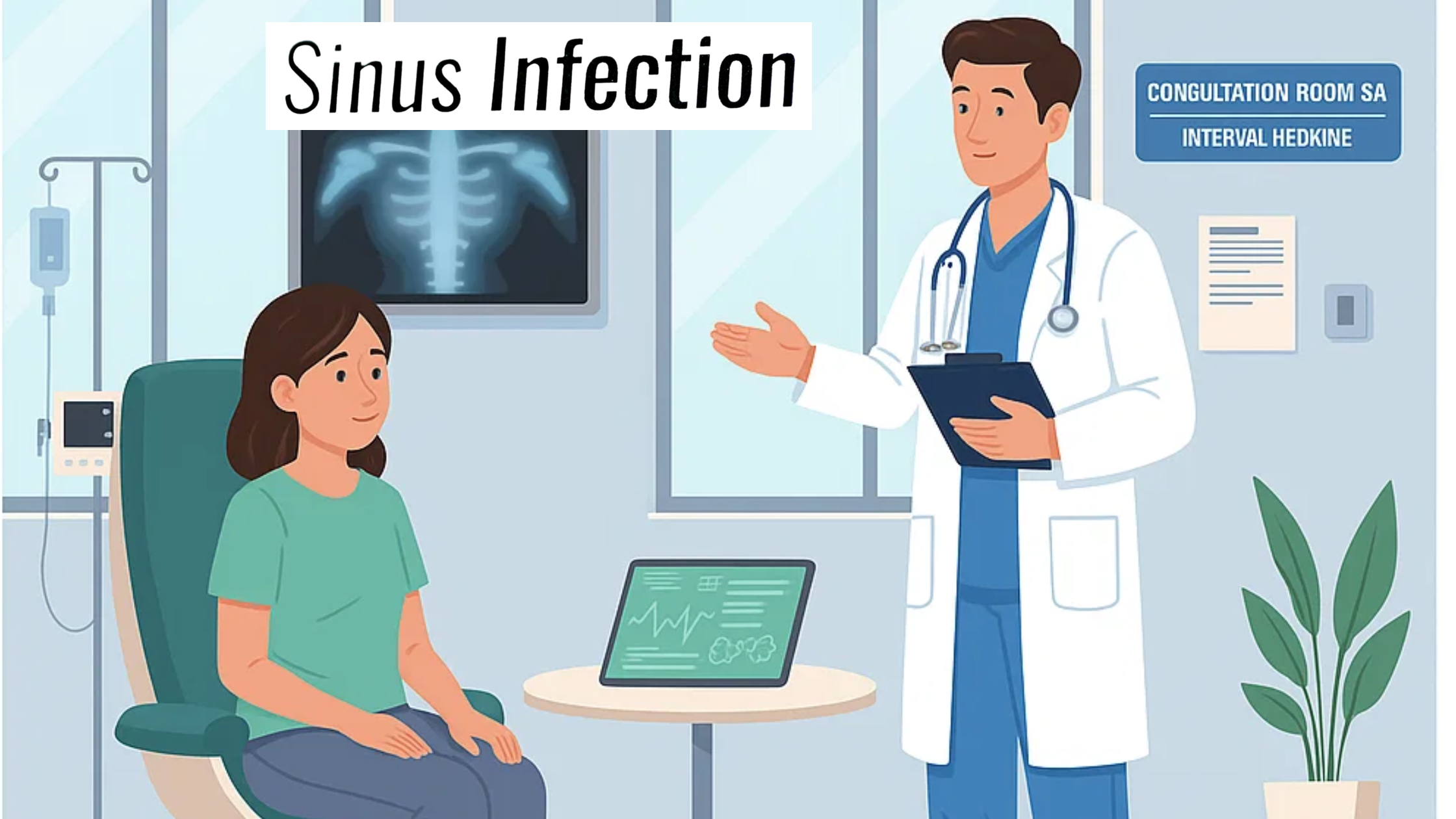
8. When to Consult an ENT Specialist for Sinus Problems
While mild symptoms may resolve on their own, some situations require medical attention.
Consult an ENT specialist consultation if you experience:
- Persistent sinus pain or headaches
- Severe nasal blockage
- Recurring sinus infections
- Ear pressure or hearing changes
Early diagnosis helps prevent complications and allows doctors to recommend appropriate sinus treatment.
9. Treatment Options for Pollution-Related ENT and Sinus Issues
9.1 Medical Treatments for Sinus and ENT Conditions
Doctors may recommend medications to reduce inflammation and relieve symptoms.
These may include:
- Antihistamines
- Nasal sprays
- Decongestants
- Antibiotics in certain cases
These treatments help manage ENT treatment for pollution-related conditions.
9.2 Advanced ENT Treatments and Procedures
For persistent sinus problems, doctors may suggest advanced procedures such as minimally invasive endoscopic sinus treatment or allergy management therapies.
These treatments improve sinus drainage and reduce long-term inflammation.
9.3 Long-Term Management for Chronic Sinusitis
People suffering from recurring sinus infections may require long-term management strategies, including personalized treatment plans designed by ENT specialists.
This approach helps control symptoms and prevent future infections.
10. Conclusion: Protecting Your ENT Health in a Polluted Environment
Environmental pollution has a significant impact on ear, nose, and throat health. Continuous exposure to pollutants can irritate the respiratory system, leading to sinus inflammation, allergic reactions, throat irritation, and ear problems.
Understanding the connection between pollution and ENT health is the first step toward prevention. Simple measures such as reducing exposure to polluted environments, maintaining good indoor air quality, and following healthy lifestyle habits can help protect the respiratory system.
However, persistent symptoms such as sinus pain, nasal congestion, or recurring infections should not be ignored. Seeking professional medical advice ensures early diagnosis and effective treatment.
Taking proactive steps today can help safeguard your ENT health and reduce the long-term impact of pollution on your respiratory system.
If you are experiencing severe or persistent sinus problems, it is advisable to consult an ENT specialist for proper diagnosis and treatment.